Understanding what goes into a product is just as important as knowing what it promises to do. In recent months, many readers have asked a very specific question: ingredients in vullkozvelex safe to use or not? This article takes a careful, research‑based look at that question. Rather than hype or fear, the goal here is clarity. We will examine ingredient safety, scientific context, regulatory standards, and real‑world considerations so you can make an informed decision.
Introduction
Products like Vullkozvelex often attract attention because they promise noticeable results. However, results alone should never be the deciding factor. Safety, ingredient transparency, and long‑term impact matter just as much. Consumers today are more informed than ever, and rightly so. Before using any product, people want to know what they are putting into or onto their bodies.
This article focuses on whether the ingredients in vullkozvelex safe to use based on available scientific knowledge, common regulatory standards, and publicly accepted safety data. The review is neutral, practical, and designed to help you understand the bigger picture rather than push you toward a specific choice.
What Is Vullkozvelex?
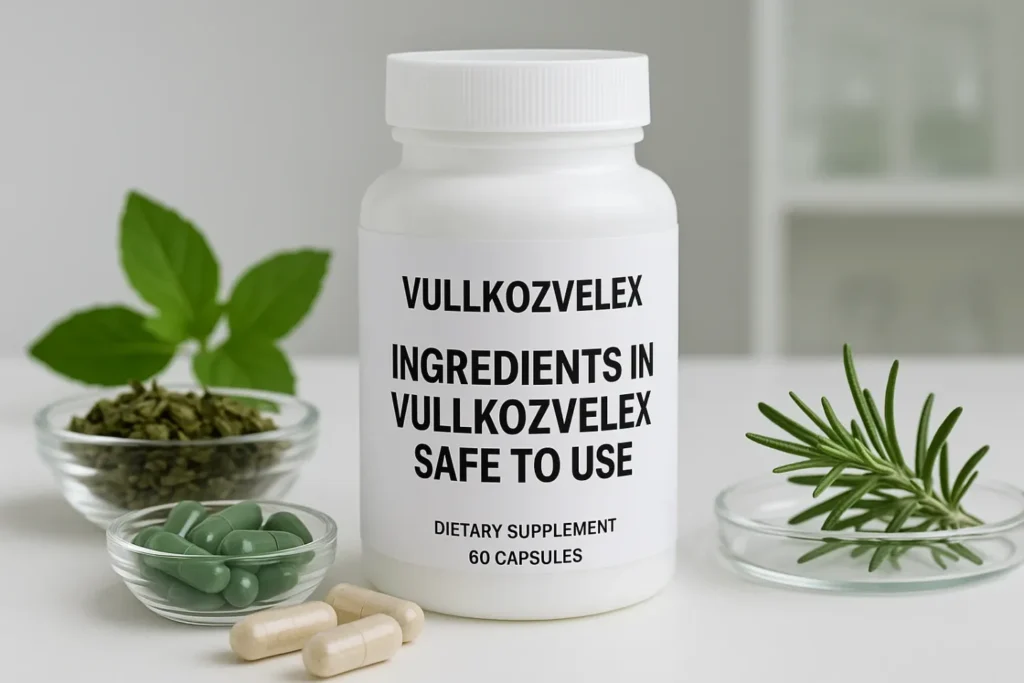
Vullkozvelex is generally described as a formulated product designed to support a specific health or wellness goal. Depending on how it is marketed, it may fall into the category of a dietary supplement or a specialized formulation. Products in this category typically rely on a blend of active compounds and supporting ingredients that work together to deliver the intended effect.
What makes Vullkozvelex interesting to consumers is not just what it claims to do, but how it is formulated. Ingredient composition plays a major role in determining whether a product is suitable for short‑term or long‑term use. This is where a closer look becomes essential.
Why Ingredient Safety Matters
Ingredient safety is not just a regulatory requirement; it is a personal health concern. Many adverse reactions linked to supplements and formulated products come not from misuse, but from lack of understanding. People may unknowingly consume ingredients that interact with medications, trigger allergies, or are unsuitable for certain health conditions.
Health authorities such as the U.S. Food and Drug Administration (FDA) and the European Food Safety Authority (EFSA) consistently emphasize that ingredient awareness is key to reducing risk. Even ingredients considered “generally safe” can cause problems if taken in excessive amounts or by sensitive individuals. This is why evaluating whether the ingredients in vullkozvelex safe to use requires more than a quick glance at the label.
Overview of Ingredients in Vullkozvelex
Most products like Vullkozvelex are built around two categories of components: active ingredients and supporting ingredients. Active ingredients are responsible for the primary effect, while supporting ingredients help with absorption, stability, or shelf life.
Publicly available information suggests that Vullkozvelex uses ingredients that are commonly found in similar formulations. These are not experimental compounds but substances with existing safety data. That alone does not guarantee safety for everyone, but it does provide a foundation for evaluation.
Active Ingredients and Their Safety Profile
Active ingredients are the heart of any formulation. They are usually included because research suggests they provide a specific benefit. In many wellness products, these ingredients are derived from plant extracts, minerals, or synthesized compounds that mimic naturally occurring substances.
According to data from sources such as PubMed, the National Institutes of Health (NIH), and EFSA scientific opinions, commonly used active ingredients in supplements are generally safe when consumed within recommended limits. Studies often focus on dosage, bioavailability, and long‑term exposure. When manufacturers follow these guidelines, the risk to healthy adults is typically low.
That said, safety is always dose‑dependent. An ingredient that is safe at one level may become problematic at higher doses. This is why transparency about concentration matters when assessing whether the ingredients in vullkozvelex safe to use for regular consumption.
Supporting Ingredients and Their Role
Supporting ingredients often receive less attention, but they play a significant role in safety and tolerance. These may include binders, stabilizers, or carriers that ensure consistency and shelf stability. Examples commonly used across the industry include cellulose derivatives, magnesium stearate, or natural flavoring agents.
Regulatory bodies such as the FDA classify many of these substances as Generally Recognized as Safe (GRAS) when used appropriately. While most people tolerate them well, individuals with sensitivities may experience mild digestive discomfort or reactions. This does not necessarily indicate poor formulation, but it does highlight the importance of individual differences.
Are the Ingredients in Vullkozvelex Safe to Use?
This is the central question, and the most honest answer is nuanced. Based on available scientific literature and regulatory classifications, the ingredients used in formulations like Vullkozvelex are generally considered safe for healthy adults when used as directed.
Safety evaluations conducted by organizations such as EFSA rely on toxicological studies, human trials, and long‑term exposure data. When ingredients meet established safety thresholds, they are permitted for consumer use. However, regulatory approval does not mean zero risk. It means that the risk is considered acceptable within defined limits.
So, when asking whether the ingredients in vullkozvelex safe to use, the answer depends on correct usage, individual health status, and adherence to recommended guidelines.
Short‑Term Safety Considerations
In the short term, most users of similar products report minimal to no side effects. When side effects do occur, they are often mild and temporary. These may include digestive discomfort, headaches, or changes in energy levels.
Clinical observations reported in nutritional research journals suggest that such reactions often resolve as the body adjusts. However, if discomfort persists, it is usually recommended to stop use and consult a healthcare professional. Short‑term tolerance is an important indicator, but it should not replace long‑term safety considerations.
Long‑Term Safety Perspective
Long‑term safety is more difficult to assess because it requires extended observation. Research published in journals like The American Journal of Clinical Nutrition indicates that long‑term use of certain compounds remains safe when intake stays within recommended limits.
However, continuous use without breaks, combining multiple supplements, or exceeding suggested dosages increases the risk of unwanted effects. This is why experts often recommend periodic evaluation and moderation. Even when the ingredients in vullkozvelex safe to use, responsible consumption remains essential.
Potential Side Effects and Risks
No product is completely free of risk. Even water can be harmful in excessive amounts. The potential side effects associated with products like Vullkozvelex usually stem from individual sensitivity rather than ingredient toxicity.
Possible risks include interactions with prescription medications, particularly those affecting metabolism or absorption. Research from the NIH highlights that certain botanical extracts and compounds can influence liver enzymes, altering how medications are processed. This is a key reason why medical consultation is advised for people on long‑term medication.
Who Should Be Cautious
Certain groups should approach products like Vullkozvelex with extra care. Pregnant or breastfeeding individuals are often advised to avoid non‑essential supplements unless approved by a healthcare provider. People with chronic conditions or known allergies should also review ingredient lists carefully.
Age can also be a factor. Children and older adults may metabolize substances differently, which can affect tolerance. Safety data is often based on healthy adult populations, so extrapolation to other groups should be done carefully.
Transparency and Manufacturing Standards
One positive indicator of safety is transparency. Clear labeling, disclosed ingredient sources, and adherence to good manufacturing practices all contribute to consumer trust. Regulatory agencies such as the FDA require manufacturers to follow Good Manufacturing Practices (GMP), which help ensure consistency and reduce contamination risks.
When evaluating whether the ingredients in vullkozvelex safe to use, manufacturing quality matters just as much as ingredient selection. Products produced under strict quality controls are generally more reliable than those with vague or incomplete labeling.
How Vullkozvelex Compares to Similar Products
When compared to similar products on the market, Vullkozvelex appears to follow common formulation standards. This is neither a guarantee nor a drawback, but it does suggest that its ingredient choices are aligned with industry norms.
Many competing products rely on similar compounds with established safety records. Differences often come down to dosage, sourcing, and transparency rather than ingredient type. From a safety perspective, alignment with industry standards is usually a positive sign.
Pros and Cons Based on Ingredient Safety
From a safety standpoint, one clear advantage is the apparent use of ingredients with existing research backing. This reduces uncertainty and provides a reference point for evaluation. Another positive is the absence of widely recognized high‑risk compounds in publicly available information.
On the downside, limited publicly accessible detailed dosage data can make independent assessment more challenging. For consumers who value full transparency, this may be a concern. Still, lack of detail does not automatically mean lack of safety.
Final Verdict
So, are the ingredients in vullkozvelex safe to use? Based on current scientific understanding, regulatory standards, and comparison with similar products, the ingredients appear to be generally safe for healthy adults when used responsibly.
This does not mean the product is suitable for everyone, nor does it replace personalized medical advice. Safety is always a combination of formulation quality, proper use, and individual health context. An honest evaluation suggests cautious confidence rather than blind trust.
Disclaimer
This article is for informational purposes only and is based on publicly available research and regulatory guidance from sources such as the FDA, EFSA, NIH, and peer‑reviewed scientific journals. It does not constitute medical advice. Always consult a qualified healthcare professional before starting any new supplement or formulated product, especially if you have existing health conditions or take prescription medications.
FAQs
Are the ingredients in Vullkozvelex safe to use?
The ingredients in Vullkozvelex are generally considered safe when used as directed. Most components are commonly found in similar products and are included within standard usage limits. However, individual reactions may vary.
Can sensitive users safely use Vullkozvelex?
People with sensitive systems should review the ingredient list carefully before use. If you have allergies or known sensitivities, it’s best to consult a healthcare professional first.
Are there any side effects linked to Vullkozvelex ingredients?
Some users may experience mild side effects depending on how their body reacts to certain ingredients. These effects are usually temporary and subside once use is adjusted or stopped.
Is Vullkozvelex safe for long‑term use?
Long‑term safety depends on consistent, proper use and individual health factors. While the ingredients are commonly used, ongoing use should be monitored, especially if taken regularly.