Why I Needed Something Different
There’s a quiet moment most pet parents recognize — the day you realize your dog just isn’t acting like themselves anymore. My dog wasn’t sick, exactly. But he slept more. He stopped getting excited for walks. His coat felt dull. And even though we tried “better” kibble, nothing truly changed.
I wanted to believe food didn’t matter that much. But deep down, I kept wondering: what if it does?
That curiosity eventually led me to try farmer’s dog, a brand focused on fresh, lightly cooked meals made for dogs. I wasn’t looking for miracles. I just wanted my dog to feel like himself again.
This is what changed — and what didn’t — once we switched.
What Farmer’s Dog Actually Is
Before I ordered, I tried to understand what this food really offers — not the marketing version, but the practical reality.
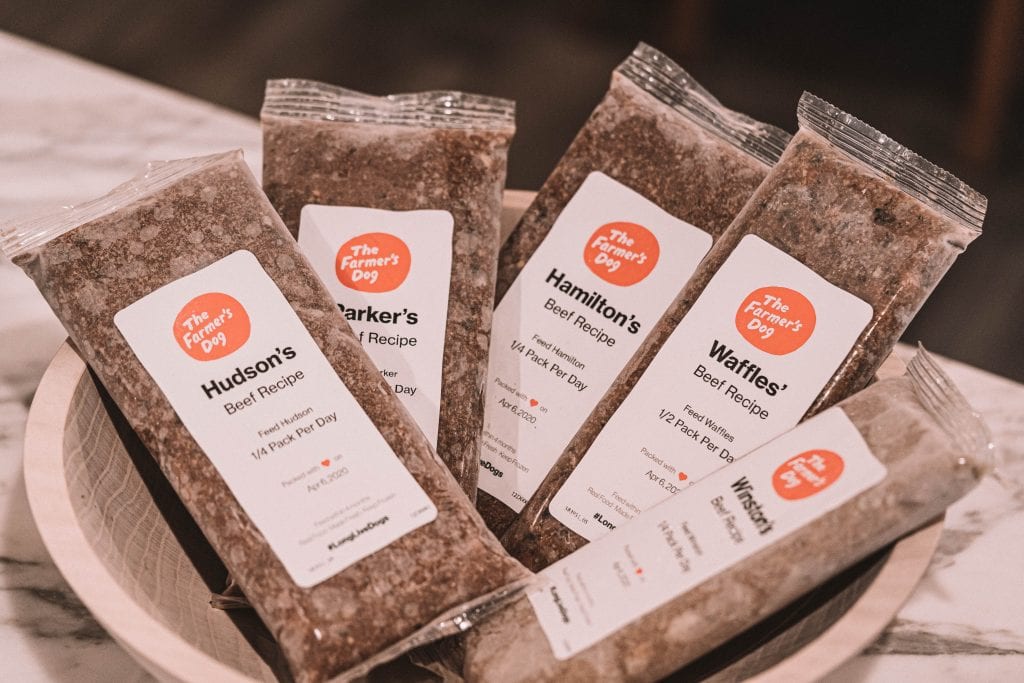
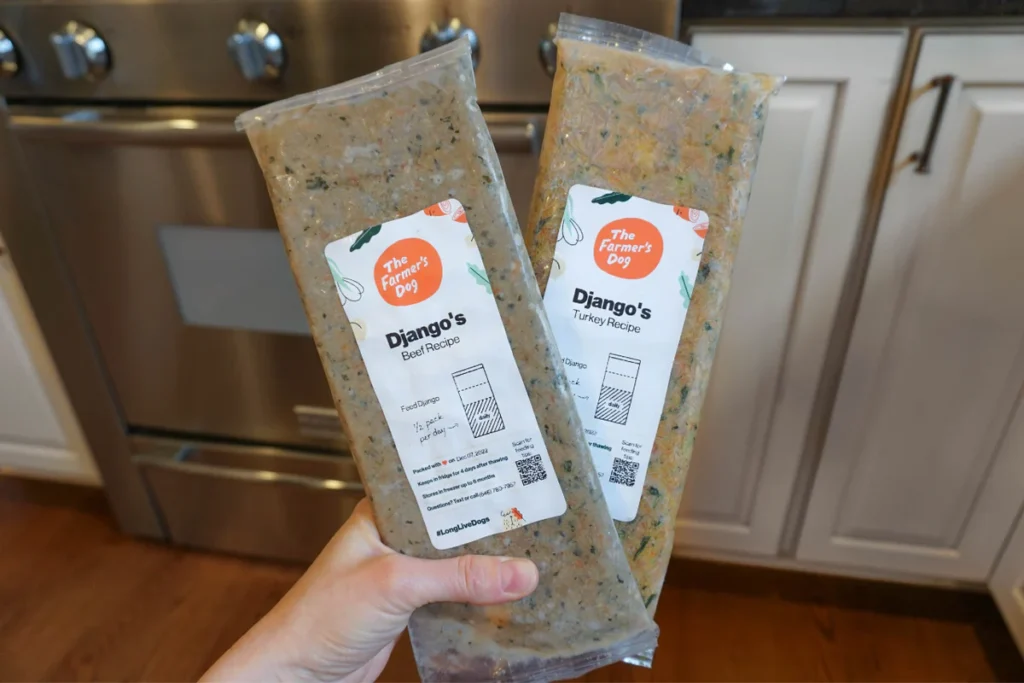
Farmer’s Dog is fresh, human-grade dog food, cooked gently, portioned, then delivered frozen to your door.
Their meals are:
- made with whole ingredients you can recognize
- cooked at low temperatures to keep nutrients
- designed with veterinary nutrition guidance
- portioned based on age, breed, weight, and activity
I liked that I could read the ingredients and actually understand them. Chicken looked like chicken. Carrots looked like carrots. There weren’t mystery powders and fillers I had to Google.
To cross-check, I read up on what matters in dog nutrition. Reputable organizations such as the American Kennel Club, the World Small Animal Veterinary Association (WSAVA), and general guidelines from veterinary nutritionists all emphasize similar ideas:
balanced nutrition, appropriate calories, and quality ingredients — not just “premium” labels.
That made me more comfortable taking the next step.
Life Before The Switch
Looking back, the signs were there.
He wasn’t playful the way he used to be. Walks turned slow. He scratched more than normal. Sometimes he skipped meals altogether, then begged for treats later.
His digestion wasn’t perfect, either. Loose stools came and went. Gas was… let’s just say memorable.
Our vet said he was healthy overall, but slightly overweight and probably not digesting his current food as well as he could.
I told myself this was aging.
But I also couldn’t shake the feeling that his bowl was part of the problem.
Why I Decided To Try It Anyway
I hesitated at first — honestly, mostly because of cost. Fresh food isn’t cheap, and subscriptions felt like a commitment.
What finally pushed me forward were three things:
First, a friend whose dog had chronic stomach problems said fresh food changed everything.
Second, my vet didn’t promise miracles but did say many dogs feel better on diets with fewer fillers and clearer protein sources.
Third, I realized I was already spending money on treats, supplements, “better” kibble, and vet visits. If a different food helped, it might actually balance out.
So I ordered a starter plan and crossed my fingers.
Transitioning To Farmer’s Dog
I didn’t just dump the new food in the bowl. Transition matters.
I mixed the fresh food slowly into his old food over about a week, increasing a little at a time. That’s something most vets recommend whenever switching diets, and it helped avoid stomach upset.
The first thing I noticed wasn’t digestion. It was excitement.
He smelled the bowl and wagged his tail like he hadn’t in months.
He finished every bite — and then licked the bowl.
There were a couple of soft stools in the first few days, which is normal when the gut adjusts. After that, things settled.
And then the real changes started.
The First Weeks: Quiet Changes
The early changes were subtle.
He seemed hungrier — but not begging constantly. Just genuinely interested in meals again.
His stools became more consistent. Less gas. Less occasional vomiting after meals.
By week two, we were walking farther again. He still rested, but there was more enthusiasm.
I didn’t realize how much I had missed that.
Energy, Health, and The Bigger Shift
Around the one-month mark, the difference became obvious.
He brought toys again.
He trotted instead of dragging behind.
He woke up eager instead of sluggish.
His coat softened. His skin stopped flaking. And during our next vet visit, he was down a healthy amount of weight — not starved, just better balanced.
The vet wasn’t surprised. Fresh diets aren’t magic, but when they’re nutritionally complete and portion-controlled, they can support healthier weight, easier digestion, and more consistent energy.
And that’s exactly what we saw.
What My Vet Thought About It
I brought the packaging and ingredient list to our vet because I wanted an honest opinion — not marketing talk.
Here’s the short version of what she said:
✔ The food is complete and balanced for long-term feeding.
✔ The ingredients are straightforward.
✔ Portion control is easier than guessing with scoops.
✔ Not every dog needs fresh food — but many benefit from it.
She also reminded me:
“Food doesn’t cure everything. But when it’s right, you often see the difference in small, everyday ways.”
That matched exactly what I was seeing at home.
The Real Pros (And A Few Cons)
I try to stay honest about products, especially when they involve health.
What I genuinely liked:
- noticeable improvement in energy
- better digestion and less stomach drama
- clear ingredient lists
- measured portions that made weight control simpler
- my dog actually enjoys eating again
But there are real drawbacks:
- it costs more than most kibble
- you need freezer space
- you need to stay on top of deliveries
- not every dog reacts the same way
For me, the benefits outweighed the inconveniences. But it’s not perfect or magic.
The Cost Question: Is Farmer’s Dog Worth It?
This is the part everyone asks.
Fresh food is an investment. Depending on your dog’s size and plan, it can be significantly more expensive than bagged kibble.
But here’s what I quietly realized:
We were paying for “cheap” food twice — once at the store, and again at the vet.
Once his digestion improved and his weight normalized, we spent less on:
- stomach-soothing treats
- extra allergy shampoos
- digestive supplements
- random trial-and-error foods
I’m not saying it saves money for everyone. But for us, the value felt fair.
Who I Think It’s Best For
After living with it for months, here’s who I believe benefits the most:
- dogs with sensitive stomachs
- picky eaters who ignore kibble
- overweight dogs needing controlled meals
- senior dogs who need gentler food
- pet parents who want convenience without guesswork
If your dog is thriving on their current food, there’s no rule saying you need to switch. But if you’re constantly troubleshooting, fresh might be worth exploring — with your vet’s guidance.
A Few Things I Checked Before Choosing
Because I wanted to be responsible, I read and cross-checked information from places like:
- the American Kennel Club (AKC) on dog nutrition basics
- WSAVA guidelines on evaluating pet foods
- general veterinary nutrition resources and case discussions
- FDA information on pet food safety standards
I wasn’t trying to be a scientist. I just wanted to be informed. And everything kept pointing to the same truth:
quality, balance, and appropriate portions matter more than buzzwords.
That’s ultimately what made me feel confident.
Final Thoughts
Switching to farmer’s dog didn’t turn my dog into a superhero.
What it did was something quieter — and honestly, more meaningful.
He feels lighter.
He plays again.
He moves with ease.
He wakes up curious instead of tired.
And I feel better knowing what I’m actually putting into his bowl.
That doesn’t mean fresh food is the only answer. Every dog, every budget, and every lifestyle is different.
But for us, it was the right change at the right time — and it reminded me that what we feed our dogs is one of the most direct ways we care for them.
Healthy food doesn’t have to be dramatic.
Sometimes, it just lets them feel like themselves again.
FAQs
1. How long did it take to see changes after switching to farmer’s dog?
For us, small changes showed up within the first two weeks — better digestion and more interest in food. The bigger shift in energy and coat took about a month. Every dog is different, so it’s worth watching gently and giving it time.
2. Did my dog have stomach issues during the transition?
There were a couple of soft stools in the beginning. Mixing the new food with the old food slowly helped a lot. A slow transition usually makes things easier on the gut.
3. Can farmer’s dog be mixed with kibble?
Yes, many people do that to manage cost or take things slowly. It’s best to keep portions consistent and ask your vet if your dog has allergies, sensitivities, or health issues.
4. Is farmer’s dog worth the price?
It costs more than regular kibble, but for us the improvement in energy, digestion, and overall comfort felt worth it. It’s really about what fits your dog, your budget, and your peace of mind.
5. Should I talk to my vet before switching?
It’s always a good idea — especially for puppies, seniors, or dogs with medical conditions. A quick conversation helps make sure the diet supports your dog’s specific needs.
you may also read: https://everybusiness.co.uk/anime-sketch-drawing/