Cinco de Mayo is one of the most misunderstood cultural observances connected to Mexico. Many people outside the country assume it is a major national holiday, similar to Independence Day. Yet the truth is more nuanced, deeply historical, and rooted in a specific region rather than the nation as a whole. To answer the question “is Cinco de Mayo celebrated in Mexico?” we must look closely at its origins, its meaning, and how it is observed both within Mexico and beyond its borders. What emerges is a story shaped by resistance, cultural pride, and evolving traditions across two countries.
The Real Meaning Behind Cinco de Mayo
To understand how Cinco de Mayo is viewed in Mexico today, it’s important to know what the date actually commemorates. On May 5, 1862, Mexican forces won an unexpected victory against the French army during the Battle of Puebla. This occurred during a period when Mexico faced political instability and foreign pressure following the Reform War.
Under General Ignacio Zaragoza, an outnumbered and poorly equipped Mexican military force managed to hold off French troops—considered one of the world’s strongest military powers at the time. Though the victory was not decisive in the long-term conflict, it carried enormous symbolic weight. It proved that Mexico could resist foreign domination and defend its sovereignty, even under overwhelming odds.
The spirit of the battle became a lasting symbol of resilience, unity, and national pride. For the people of Puebla, it continues to represent one of the most important historical events in the region’s history.
Is Cinco de Mayo Celebrated in Mexico? The Real Answer
While the Battle of Puebla holds great historical importance, Cinco de Mayo is not a major nationwide holiday in Mexico. Unlike September 16, which marks Mexico’s Independence Day, there is no federal shutdown, and most Mexicans go about their regular work and school schedules.
The holiday is officially recognized as a civic observance, meaning it is acknowledged but not treated with the same level of national celebration associated with federal holidays. This often surprises people in other countries, particularly in the United States, where the day is widely celebrated.
In Mexico, the date receives its strongest recognition in the state of Puebla, where the battle occurred. The residents there preserve its importance with enthusiasm and historical pride. Outside Puebla, the observance is far more muted—most communities may note the day, but large festivities are uncommon.
So the accurate and culturally respectful answer to the question “is Cinco de Mayo celebrated in Mexico?” is this:
Yes, but primarily in Puebla, and not as a major national holiday.
How Puebla Celebrates Cinco de Mayo
Puebla holds the most vibrant and culturally rich celebrations connected to Cinco de Mayo. The traditions emphasize history, remembrance, and local identity.
Battle Reenactments
Every year, Puebla stages a detailed reenactment of the 1862 battle. Hundreds of local participants dress as French and Mexican soldiers, recreating key moments from the confrontation. This isn’t just a performance—it’s a cherished community tradition that has been passed down for generations.
Parades
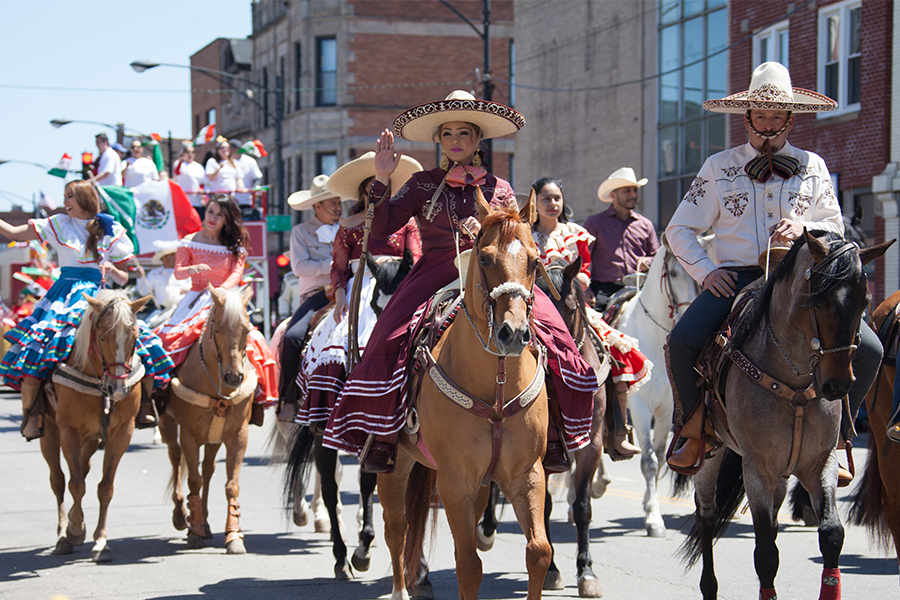
Puebla hosts one of Mexico’s most colorful and dynamic civic parades. Students, military personnel, cultural groups, and performers march through the streets, showcasing regional pride and historical remembrance. The parade attracts thousands of local attendees and visitors from around the region.
Cultural Festivals
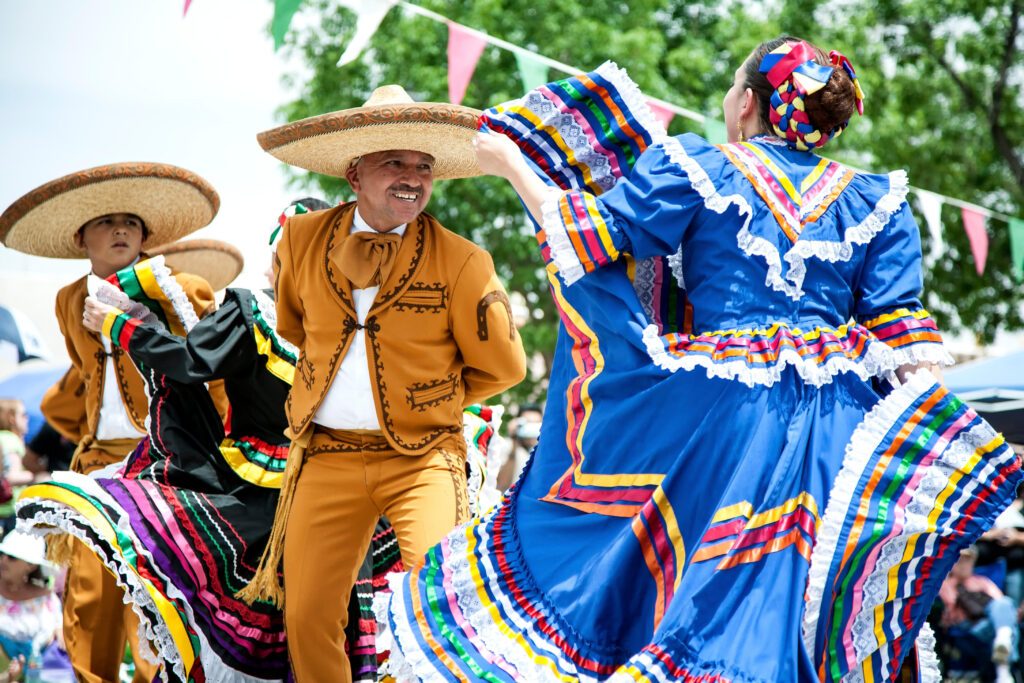
Food fairs, traditional dance performances, local music, and artisan markets fill the city during the days surrounding May 5. Puebla’s famous cuisine—such as mole poblano—often plays a central role in these celebrations.
Educational Activities
Schools in Puebla incorporate lessons, presentations, and historical programs to ensure young students understand the importance of the battle. This educational component helps maintain the cultural significance of the day.
These celebrations feel deeply authentic because they are rooted in community pride and historical memory rather than commercial influence.
Why Cinco de Mayo Became Popular in the United States
The widespread celebration of Cinco de Mayo in the United States did not originate from Mexico’s national traditions. Instead, its significance evolved over several decades and through several cultural movements.
Chicano Activism
During the 1960s and 1970s, Mexican-American communities embraced Cinco de Mayo as a symbol of cultural identity and resistance. The victory at Puebla represented strength in the face of oppression, which resonated deeply with activists fighting for civil rights.
History scholars note that this period marked the beginning of Cinco de Mayo’s transformation from a regional Mexican observance into a broader expression of Mexican-American cultural pride.
Growing Cultural Awareness
As Mexican communities grew across the United States, so did public interest in learning about Mexican heritage. Cinco de Mayo became a day to celebrate identity, heritage, and cultural traditions through festivals, music, food, and storytelling.
Commercial Influence
By the late 20th century, businesses—particularly the food and beverage industries—began promoting the day. This helped spread awareness but also shifted the meaning for many people. Today, Cinco de Mayo in the U.S. often includes large public festivals, concerts, parades, and cultural performances.
While commercial influence plays a role, the day continues to hold authentic meaning for Mexican-American families who use it to honor heritage and community history.
How Celebrations Differ Between Mexico and the United States
The contrast between celebrations in Mexico and the U.S. is clear and significant.
Scale of Celebrations
In Mexico:
Celebrations are primarily restricted to Puebla and are more modest elsewhere.
In the U.S.:
Cities like Los Angeles, Chicago, Houston, Denver, and Phoenix host major festivals drawing thousands of participants.
Cultural Focus
In Mexico:
The emphasis is historical—honoring the Battle of Puebla.
In the U.S.:
The focus is cultural—celebrating heritage, food, music, and community pride.
Public Perception
In Mexico:
Many people outside Puebla recognize the day but treat it as a regular day.
In the U.S.:
The day is often misunderstood as Mexico’s Independence Day, leading to confusion and myths about its true meaning.
By understanding these differences, readers can appreciate the authentic origins of the holiday while also recognizing how cultures transform traditions over time.
Cultural Significance Today
Even though Cinco de Mayo is not a major holiday throughout Mexico, its story carries enduring significance.
For People in Puebla
The battle represents courage, unity, and national sovereignty. Each year’s commemoration reinforces local identity and honors those who contributed to the victory.
For Mexican-American Communities
Cinco de Mayo has grown into a cherished cultural celebration that highlights pride, identity, and community. Festivities often include mariachi music, folkloric dance, traditional foods, and educational events designed to teach children about their roots.
For Global Audiences
As Cinco de Mayo becomes more internationally recognized, it serves as an opportunity to engage with Mexican history in a culturally respectful way. Understanding its origins helps dispel misconceptions and fosters deeper appreciation for Mexican heritage.
Conclusion
The question “is Cinco de Mayo celebrated in Mexico?” reveals an important truth: yes, it is celebrated—but mainly in Puebla, and not as a national holiday. Its origins lie in a historic victory that symbolizes resilience and national pride, but its modern evolution has taken different paths in Mexico and the United States.
In Mexico, the day remains a respectful, historically grounded observance, especially in Puebla where the victory occurred. In the United States, it has become a vibrant cultural celebration shaped by Mexican-American identity, history, and community spirit.
By understanding the true meaning behind Cinco de Mayo, we honor not only the history of the Battle of Puebla but also the diverse cultural expressions that have grown from it. It is a day that continues to connect people across borders, reminding us of the shared values of courage, heritage, and pride.
FAQs
1. Is Cinco de Mayo the same as Mexico’s Independence Day?
No. Mexico’s Independence Day is celebrated on September 16, not May 5. Cinco de Mayo commemorates the Battle of Puebla, a single military victory against French forces in 1862.
2. Do people in Mexico celebrate Cinco de Mayo?
Yes, but mainly in Puebla, where the battle took place. The rest of the country treats it as a regular day, with minimal public celebrations.
3. Why is Cinco de Mayo more popular in the United States?
Cinco de Mayo grew in popularity through Chicano activism, cultural pride movements, and later commercial influence. Today, it serves as a celebration of Mexican-American heritage and identity.
4. What traditions are part of the Cinco de Mayo celebrations in Puebla?
Puebla celebrates with battle reenactments, parades, cultural performances, and food festivals. These traditions highlight the region’s history and local pride.
5. What does Cinco de Mayo symbolize today?
Today, the date symbolizes resilience, cultural pride, and historical remembrance. In Mexico it honors the 1862 victory, while in the U.S. it represents broader cultural celebration.
you may also read: https://everybusiness.co.uk/true-food-kitchen/