I didn’t start with talent.
I started with curiosity, a dull pencil, and a pile of rough pages that looked nothing like the anime characters I admired.
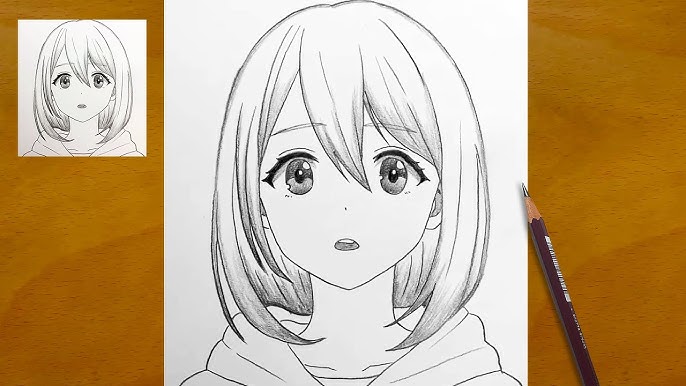
I didn’t start with talent, but I had a curiosity for anime sketch drawing. At first, my sketches were messy and unpolished; however, each attempt taught me something new. Over time, this practice became more than just copying characters. In fact, it turned into a way to bring imagination and emotion to life on paper. By practicing patiently and observing carefully, I gradually discovered how anime sketch drawing transforms simple lines into expressive, memorable characters.
Over time, anime sketch drawing became something more than just copying poses. It became a way of understanding shapes, emotions, and small choices that make a character feel real.
This is the story — and the lessons — of how I learned to bring my characters to life.
Why Anime Sketch Drawing Matters To Me
Anime sketch drawing gave me a quiet space to explore imagination.
Every sketch was like a conversation:
Where is this character from?
What are they thinking?
How do they move when they’re tired, brave, or scared?
Those questions changed the way I draw. I stopped chasing “perfect” lines and started focusing on storytelling through design — a concept emphasized by many professional animators and art instructors.
My First Attempts (And What Went Wrong)
My first drawings looked flat.
Heads were too big. Eyes floated. Necks disappeared. Clothing looked like cardboard.
The mistake wasn’t effort — it was skipping foundation.
I tried drawing details first. I tried copying screenshots. I tried tracing and wondered why my own anime sketch drawing still didn’t improve.
What I learned later was simple: before beauty comes structure. Once I slowed down and built each sketch from basic forms, everything changed.
Learning the Basics
Anime may look simplified, but it’s built from real drawing fundamentals taught in art schools and animation studios.
So I went back to basics — carefully, patiently.
Shapes Before Details
Every character begins with circles, boxes, and lines.
A circle for the skull.
A vertical line for direction.
A horizontal guideline for the eyes.
This step keeps proportions organized. Instead of guessing, I was now placing features with intention.
Proportions That Make Sense
Anime styles vary, but there are still soft rules:
Eyes line up across the face.
The nose gently follows the center guideline.
The mouth sits comfortably between nose and chin.
Learning to measure visually — not just trust intuition — helped my characters finally look balanced.
Confident Lines
At first, my anime sketch drawing was heavy and messy. I erased constantly.
Eventually I learned: light, loose lines first, then commit with clearer strokes.
This simple mindset shift created smoother drawings and less frustration.
Eyes That Carry Emotion
Eyes are often the soul of anime sketch drawing.
I practiced: round eyes, sharp eyes, sleepy eyes, angry eyes.
The trick isn’t only shape — it’s intent.
A tiny tilt of the eyelids changes the entire emotional tone. Highlights add depth. Slight shadows create mood. These techniques are commonly discussed in animation and illustration training, and they truly work.
Good eyes don’t scream.
They whisper the character’s story.
Hair, Clothing, and Motion
Hair isn’t drawn strand by strand.
It flows in sections — like ribbons following gravity and movement. That realization alone made my anime sketch drawing feel lighter and more believable.
With clothing, I learned to look at real fabric. Folds appear where the body bends. Sleeves hang differently based on pose. Instead of random wrinkles, I followed tension lines.
Movement came later. I stopped stiffening the body and used curves to show direction, allowing characters to lean, twist, and breathe.
Suddenly, sketches stopped looking frozen.
Mistakes I Kept Making
Growth came from noticing patterns:
I rushed details.
I ignored anatomy.
I forgot where the light was coming from.
I copied without understanding.
Correcting these habits made the biggest difference. Rather than producing pretty drawings occasionally, I started improving consistently. This is the core of effective anime sketch drawing practice.
The Tools That Helped
I began on paper: simple pencils, erasers, and a sketchbook. No pressure.
Eventually I tested digital drawing tablets. Both worlds taught different things:
Paper improved control.
Digital helped experiment, undo, and layer.
Neither is “better.” They are simply different methods supporting the same skill.
References became essential. Not tracing — but studying: real poses, real clothing, real expressions. Artists across professional fields emphasize this practice for a reason — it builds visual memory for serious anime sketch drawing.
Adding Personality
What finally brought characters to life wasn’t technique alone.
It was intention.
I started asking: What makes this character unique? Are they gentle or stubborn? Do they stand upright, or slump quietly?
Small touches — freckles, scars, worn shoes, messy hair — suddenly felt meaningful. The design served the character’s story, making my anime sketch drawing more expressive than ever.
My Practice Routine
I created a rhythm that felt manageable:
Warm up with simple shapes.
Sketch quick faces and poses.
Study one topic deeply — eyes, hands, or hair.
Review mistakes instead of hiding them.
Even fifteen to thirty minutes a day builds muscle memory. Consistency beats intensity in anime sketch drawing.
Seeing Real Progress
Improvement was slow. Quiet. Almost invisible.
Then I compared early pages to new ones: lines looked calmer, faces aligned better, characters carried emotion instead of empty expressions.
Progress happens quietly — then suddenly. Patience is the real skill behind effective anime sketch drawing.
If You Feel Stuck
You are not behind.
Everyone learns at their own pace. Focus on these truths:
Draw something small every day.
Start simple, then layer complexity.
Study real life, not only stylized art.
Be kind to yourself while you learn.
Anime sketch drawing isn’t about perfection. It’s about discovery.
Frequently Asked Questions
How long does it take to improve?
It depends on practice, not talent. With regular drawing, most people notice progress in a few months — and dramatic change in a year.
Do I need expensive tools?
No. A pencil, eraser, and paper are enough. Digital tools help, but fundamentals matter more than software.
Is tracing useful?
Tracing can teach line control, but it should never replace learning structure. Use it as study, not as your only method.
How do I find my own style?
First master basics. Style eventually grows from your preferences, influences, and habits.
Final Thoughts
Anime sketch drawing gave me patience, focus, and a way to tell quiet stories through lines.
You don’t need to start perfect. You just need to start — and keep showing up.
Every page holds another chance to bring a character to life. Keep drawing. Keep learning. Your characters are waiting.