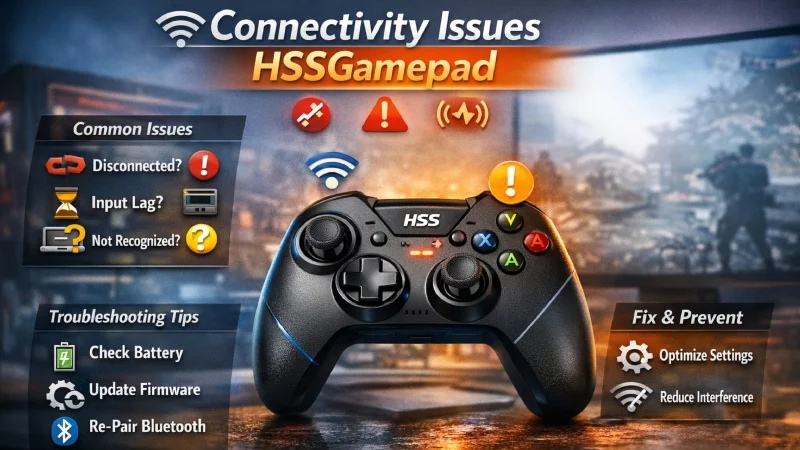
Smooth and reliable control is one of the most important parts of any gaming experience, and nothing interrupts that flow more than a controller that keeps disconnecting or refusing to pair. The HSSGamepad, like many modern wireless controllers, offers flexible connection options and wide device compatibility. But as with any wireless device, its performance depends on how it’s set up, the condition of its components, and the environment it’s used in. This guide is designed to help you understand connectivity HSSGamepad performance more clearly so you can enjoy a stable and responsive gaming session without the usual interruptions. What follows is an in‑depth, easy‑to‑follow overview that covers everything from basic setup to more advanced troubleshooting methods, based on reliable technical knowledge and device‑specific behaviors commonly reported across user communities.
How the HSSGamepad Connects
The HSSGamepad generally uses Bluetooth as its primary wireless method, making it compatible with a wide range of platforms such as Android devices, Windows PCs, smart TVs, and supported gaming systems. Some models also offer a wired USB connection, which provides the most stable and lag‑free experience. Like most Bluetooth controllers, it relies on a clear signal path, a capable receiver, updated firmware, and compatible hardware to maintain stable connectivity. Issues often arise not because the controller is faulty, but because the pairing process wasn’t completed correctly or because the device you’re connecting to is running outdated software. Connectivity can also be affected by interfering nearby electronics, low battery levels, or signal congestion—problems well‑known across Bluetooth-enabled devices.
Preparing Before You Connect
Preparation is a small but crucial step many users overlook. Ensuring strong connectivity begins even before you attempt pairing. First, check the controller’s battery level; a weak battery can cause inconsistent performance, sluggish response, or frequent dropouts. Recharge it fully if possible. Next, confirm that your device’s Bluetooth is functioning normally. On platforms like Windows, outdated Bluetooth drivers are a common issue, so it’s helpful to run a quick update check. Some HSSGamepad models also provide firmware updates through a dedicated app or manufacturer tool, and keeping the controller updated ensures it remains compatible with the latest system versions. Compatibility should also be confirmed—older Smart TVs, low-end tablets, or older Android versions may struggle with new Bluetooth standards. Preparing these elements ahead of time saves you from unnecessary frustration during pairing.
Connecting the HSSGamepad
Connecting the HSSGamepad is usually straightforward, but the exact steps vary depending on the device. For wireless Bluetooth pairing, start by turning on the controller and holding the pairing button until the LED indicator begins flashing. This signals that it is in active pairing mode. On your device—whether it’s a phone, PC, or TV—navigate to the Bluetooth settings and search for new devices. You should see the HSSGamepad appear on the list. Select it to complete pairing. Once paired, the LED should change to a steady light, confirming the connection.
If you’re connecting through a wired USB cable, plug the controller directly into your device. Most modern systems will automatically detect it without requiring driver installation. Windows users may need to wait for a few seconds while generic gamepad drivers install. Wired connections are often preferred for gaming setups where low latency matters, as the signal is unaffected by external wireless interference.
Different platforms may display the controller under slightly different names, but as long as the pairing light stops blinking, the connection is usually successful. Some games and apps also have built‑in controller testing tools so you can confirm that the buttons and joysticks are responding correctly.
Troubleshooting Connectivity Problems
Even with proper setup, connectivity issues can still occur. One of the most common signs of weak connectivity is delayed input or sudden disconnections during gameplay. If the controller refuses to pair, the first step is to reset both the controller and the device you’re pairing it with. The HSSGamepad usually includes a small reset button—pressing it for a few seconds clears previous pairing attempts that may be causing conflicts.
Interference is another common cause. Wireless routers, microwaves, smart home devices, and other Bluetooth accessories all operate within similar frequency ranges. If you are gaming in a space crowded with active wireless devices, moving a few steps away or reducing active Bluetooth accessories can significantly improve stability. Gamers using PCs with internal Bluetooth adapters should consider using a USB Bluetooth dongle, as internal adapters are often weaker due to shielding from the computer’s metal components.
If the controller connects but constantly drops during gameplay, check the battery status again. A partially drained battery often leads to intermittent signal problems before the device fully powers down. Also, make sure you’re within an optimal distance—most HSSGamepad models have an effective Bluetooth range of 8 to 10 meters, but walls, furniture, and even other people can reduce that range substantially.
Software conflicts can also cause poor performance. On Windows, ensure that no other controller drivers are overriding the input. Tools such as Steam Input settings or third‑party mapping apps may sometimes interfere with native gamepad behavior. Disabling unnecessary software or remapping tools often restores stable performance.
Improving Long‑Term Stability
Creating an environment that supports smooth and uninterrupted connectivity helps maintain consistent performance for the long run. Keeping your devices updated is one of the easiest habits to maintain. System updates often include Bluetooth improvements and better controller support for apps and games. Positioning also plays a role; for wireless users, placing the receiving device in a direct line of sight is ideal. Avoid placing the controller behind metal objects or inside crowded entertainment centers, as these can block the signal.
If you frequently switch between multiple devices, clearing old pairings can help avoid connection confusion. Bluetooth records from previous connections sometimes cause the controller to attempt reconnecting to the wrong device, which leads to pairing delays. Removing unused entries ensures that your main device becomes the primary target for quick and reliable pairing.
Another overlooked factor is environmental noise. If you live in an apartment building where many Bluetooth and Wi‑Fi signals overlap, consider gaming at times when fewer devices are active or shifting to a wired connection when needed. Users who often game on PC may also benefit from using USB extension cables to bring the Bluetooth dongle closer to their playing area, minimizing signal loss.
Advanced Tips for Power Users
For gamers who want the most responsive and consistent connectivity HSSGamepad performance, there are advanced adjustments worth considering. Some Bluetooth adapters support enhanced data rates or newer Bluetooth versions that offer lower latency. Upgrading to such adapters can noticeably improve controller responsiveness. Power users can also explore diagnostic tools that display signal strength and interference levels, helping them identify problem sources in crowded networks.
On Windows, adjusting power management settings can prevent the system from automatically disabling Bluetooth during low‑power states. This prevents random disconnections caused by power‑saving features. Additionally, updating the controller’s firmware—if available—ensures access to the latest Bluetooth protocols and stability improvements introduced by the manufacturer.
Another technique is to disable background applications that heavily use bandwidth or CPU power, as these can indirectly affect Bluetooth processes. Gamers using Android devices should ensure that battery‑saving modes are disabled while gaming, since these modes often reduce Bluetooth output or terminate background processes related to controller connectivity.
When Repairs or Replacement Are Needed
Even with all troubleshooting steps, there are cases where the controller may need professional repair or replacement. Signs of hardware failure include drifting joysticks, buttons failing to respond even when the controller is connected, or the device refusing to power on despite being charged. Internal Bluetooth modules can also wear out or become damaged over time. If the controller vibrates inconsistently, heats up while charging, or its battery drains unusually fast, these may indicate internal faults.
Before replacing the device, check whether it is still covered under warranty. Many manufacturers offer one‑year coverage, and some retailers provide extended plans. If replacement is necessary, choosing a model that supports the same or newer Bluetooth standards ensures better connectivity and compatibility for modern devices.
Conclusion
Achieving reliable connectivity with the HSSGamepad is a combination of proper setup, steady maintenance, and understanding how wireless signals behave in everyday environments. While occasional issues are normal for any Bluetooth device, most can be resolved with simple and practical steps—checking signal interference, updating software, keeping the battery healthy, and making sure the environment supports stable wireless communication. Following the tips in this guide can help transform your gaming experience from occasionally frustrating to consistently smooth and responsive. Whether you’re a casual gamer or a dedicated enthusiast, taking a few extra moments to optimize your controller’s connectivity ensures you get the best performance from your HSSGamepad every time you play.
you may also read;https://everybusiness.co.uk/why-business-consulting-is-important-roarbiznes/
faqs;
1. Why won’t my HSSGamepad connect?
This usually happens when the battery is low, Bluetooth is disabled, or the device hasn’t been paired properly. A quick reset often solves it.
2. How do I fix lag or delay in the gamepad connection?
Lag often comes from signal interference. Moving close to your device or turning off nearby wireless gadgets can help.
3. Can the HSSGamepad connect to multiple devices?
Yes, but you may need to unpair it from the previous device first. Some systems don’t support simultaneous connections.
4. Why does my HSSGamepad keep disconnecting during gameplay?
Frequent disconnects usually mean weak signal strength or outdated firmware. Updating the gamepad software is a fast fix.
5. Is a wired connection better than Bluetooth for the HSSGamepad?
Wired connections are generally more stable, especially for competitive gaming, but Bluetooth is still great for casual play.