
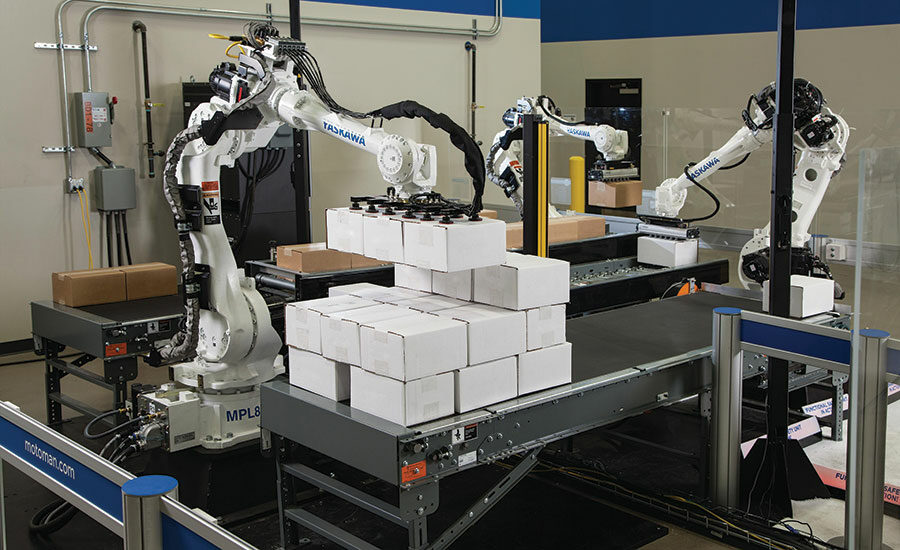
Packaging automation solutions have emerged as a game-changer for industries around the globe. As businesses strive for efficiency, cost savings, and increased productivity, packaging automation offers a wide range of benefits that can significantly enhance operations. In this article, we will explore what packaging automation solutions are, how they work, their advantages, and the future of automated packaging technology.
What Are Packaging Automation Solutions?
Packaging automation solutions refer to the use of machines and systems to perform tasks traditionally carried out by human workers in the packaging process. These solutions include everything from filling, capping, labeling, sealing, to sorting and palletizing products, all without the need for manual intervention. With advancements in technology, packaging automation has expanded beyond traditional mechanical machines to include advanced robotic systems, artificial intelligence, and machine learning algorithms.
Automation in packaging can be found in numerous industries, including food and beverage, pharmaceuticals, cosmetics, e-commerce, and consumer goods. These solutions help businesses meet the increasing demand for higher output while maintaining quality standards and reducing operational costs.
The Key Components of Packaging Automation Solutions
Packaging automation systems are typically composed of several key components that work together to streamline the packaging process. These components include:
- Conveying Systems: Automated conveyors move products from one station to another, reducing the need for manual labor in transporting items through various packaging stages.
- Robotic Arms: Robotic arms are used for tasks such as sorting, handling, and palletizing products, making them ideal for repetitive tasks that require precision and consistency.
- Filling and Sealing Machines: These machines are designed to fill containers with liquid or dry products and seal them tightly to ensure product safety and longevity.
- Labeling Machines: Labeling systems automatically apply labels to products, boxes, or bottles, ensuring consistency and accuracy in product branding.
- Inspection Systems: Automated inspection systems utilize cameras and sensors to check product quality and ensure that packaging meets specific requirements, such as correct labeling, sealing, or filling.
Advantages of Packaging Automation Solutions
The implementation of packaging automation solutions brings numerous benefits to businesses, enhancing productivity, improving safety, and providing a competitive edge. Below are some of the key advantages:
1. Increased Efficiency and Throughput
One of the primary reasons businesses turn to packaging automation is to increase efficiency and throughput. Automated systems can operate continuously, 24/7, without the need for breaks, leading to a significant reduction in cycle times and higher output. With machines handling repetitive tasks, human workers can focus on more complex or value-added activities, which improves overall operational efficiency.
2. Cost Reduction
While the initial investment in packaging automation may seem significant, the long-term cost savings far outweigh the expense. Automation helps to reduce labor costs by replacing manual labor and improving productivity, thereby decreasing the number of employees required to perform repetitive tasks. Additionally, automated systems are more accurate, reducing the risk of human error and costly mistakes, such as product mislabeling or incorrect filling.
3. Enhanced Product Quality and Consistency
Packaging automation solutions ensure that each product is packed according to the same high standards. The machines are programmed to follow specific parameters for filling, labeling, and sealing, which reduces the risk of variations in product quality. With more consistent results, businesses can maintain high-quality standards and deliver products that meet consumer expectations every time.
4. Improved Safety
In industries such as pharmaceuticals and food processing, safety is paramount. Packaging automation reduces the need for human intervention in hazardous or high-risk tasks, improving the safety of the packaging environment. Automated systems can handle heavy or dangerous materials, minimizing the risk of accidents and injuries on the production floor. Additionally, automated inspection systems can detect faulty packaging or product contamination, ensuring that unsafe products do not reach consumers.
5. Scalability and Flexibility
Packaging automation solutions are scalable, meaning that businesses can easily expand their operations as demand grows. Whether a company needs to increase output during peak seasons or introduce new product lines, automated systems can be adjusted or reconfigured to accommodate changing needs. This flexibility makes packaging automation ideal for companies looking to stay competitive in a fast-paced and ever-changing market.
The Impact of Packaging Automation in Various Industries
Packaging automation solutions are used across various industries to address specific challenges and improve operational performance. Below are some examples of how automation is transforming different sectors:
1. Food and Beverage Industry
In the food and beverage industry, packaging automation plays a crucial role in improving efficiency, ensuring food safety, and reducing waste. Automated filling and sealing machines ensure that products are packaged correctly while maintaining hygiene standards. Additionally, automated labeling and inspection systems help ensure that products meet regulatory requirements, such as ingredient lists, expiration dates, and nutritional information.
2. Pharmaceutical Industry
Packaging automation is essential in the pharmaceutical industry, where precision and safety are critical. Automated systems help with the filling, sealing, and labeling of pharmaceutical products, ensuring that each package is accurately labeled with the correct dosage and instructions. Automated inspection systems also help detect damaged packaging or contamination, which is vital for maintaining the integrity of pharmaceutical products.
3. E-Commerce and Consumer Goods
As e-commerce continues to thrive, packaging automation solutions are becoming increasingly important in fulfillment centers. Automated systems can quickly and accurately pack products for shipment, reducing the time it takes to fulfill customer orders. This leads to faster delivery times, which is a critical factor in enhancing customer satisfaction and driving repeat business.
4. Cosmetics Industry
In the cosmetics industry, packaging automation ensures that products such as skincare creams, perfumes, and makeup are packaged in an efficient and aesthetically pleasing manner. Automated systems handle tasks such as filling, labeling, and even the application of tamper-evident seals to ensure product integrity. With a growing demand for personalized products, packaging automation systems can also be customized to handle different sizes and types of containers, offering a high degree of flexibility.
The Future of Packaging Automation Solutions
As technology continues to evolve, the future of packaging automation looks promising. Advancements in artificial intelligence (AI), robotics, and the Internet of Things (IoT) are opening new doors for automated packaging systems.
1. AI and Machine Learning
The integration of AI and machine learning into packaging automation will enable systems to become more intelligent and adaptable. AI-powered systems can analyze data in real-time, optimizing the packaging process and identifying areas for improvement. Machine learning algorithms can predict potential failures or bottlenecks in the system, allowing for preventative maintenance and reducing downtime.
2. Collaborative Robots (Cobots)
The rise of collaborative robots, or cobots, is expected to play a significant role in the future of packaging automation. Unlike traditional industrial robots, cobots are designed to work alongside human workers. They can handle repetitive tasks, allowing humans to focus on more complex or creative tasks. Cobots are particularly useful in small-scale operations or businesses with limited space, as they are more flexible and easier to integrate into existing workflows.
3. Sustainable Packaging Solutions
As sustainability becomes a top priority for businesses and consumers alike, the demand for eco-friendly packaging solutions is on the rise. Packaging automation systems are expected to play a critical role in promoting sustainability by reducing waste and optimizing material usage. For instance, automated systems can minimize over-packaging and reduce the amount of plastic used in packaging, leading to a reduction in environmental impact.
4. Smart Packaging
Smart packaging, which incorporates IoT technology, is another exciting development in the packaging automation space. Smart packaging solutions can track products in real-time, monitor storage conditions, and provide valuable data to both manufacturers and consumers. This technology can help businesses improve supply chain efficiency, ensure product freshness, and enhance customer engagement by providing personalized experiences.
Conclusion
Packaging automation solutions are reshaping the way industries approach packaging and fulfillment. With numerous benefits such as increased efficiency, reduced costs, improved safety, and enhanced product quality, automated packaging systems are quickly becoming an essential part of modern business operations. As technology continues to evolve, the future of packaging automation looks even more promising, with advancements in AI, robotics, and sustainability driving innovation and efficiency. Companies that embrace packaging automation will be better equipped to meet the demands of a fast-paced, ever-changing marketplace while delivering high-quality products to consumers.


