Penal substitutionary atonement is one of the most discussed and emotionally charged ideas in Christian theology. Yet outside academic circles, it isn’t merely a doctrinal theory—it is a lived reality. For many believers, it is a lens through which they understand forgiveness, hope, and the character of God. This article explores penal substitutionary atonement not only as a theological concept but also as it is genuinely experienced by ordinary Christians who wrestle, reflect, and find comfort in it. Drawing from Scripture, historical scholarship, and the voices of everyday followers of Christ, this piece aims to present a human, thoughtful, and deeply grounded look at a doctrine that continues to shape faith around the world.
What Penal Substitutionary Atonement Means
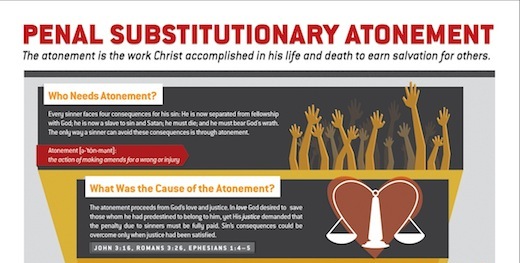
In its simplest form, penal substitutionary atonement teaches that Jesus Christ willingly suffered the penalty of human sin so that people might be forgiven and reconciled to God. The concept rests strongly on biblical passages such as Isaiah 53, Romans 3:25–26, and 2 Corinthians 5:21. These texts highlight themes of substitution, sacrifice, judgment, and mercy—ideas that Christians throughout history have interpreted as Christ taking the consequences of sin upon Himself.
The doctrine grew more formally in the Reformation era through theologians like Martin Luther and John Calvin, who emphasized that divine justice and divine mercy meet at the cross. But the heart of the concept goes much further back, appearing in early church writings from figures like Augustine and Athanasius. What matters to everyday believers, however, is not merely knowing where the doctrine comes from, but how it shapes their understanding of God’s love and justice in daily life.
The First Impressions of Everyday Christians
Many believers first encounter penal substitutionary atonement in simple, childlike terms: “Jesus died for my sins.” These early explanations often shape their emotional connection to the doctrine long before they study it in depth. For some, it brings an immediate sense of comfort—an overwhelming relief that their mistakes, guilt, and failures can be forgiven. Others find their first exposure more confusing or even heavy. The idea of Jesus suffering or taking punishment sparks questions that may take years to process.
A number of Christians describe their earliest memories of the doctrine as deeply moving, almost like recognizing the depth of love someone has shown for them personally. Others remember wrestling with ideas of guilt, sacrifice, or the severity of sin. These differing reactions reveal how profoundly personal theological understanding can be. The doctrine is not merely thought about; it is felt.
Experiencing Forgiveness in Daily Life
For many believers, penal substitutionary atonement becomes most real not in a classroom or sermon but in moments when they wrestle with regret or moral failure. When someone feels the weight of having wronged another person or fallen short of their own moral standards, the cross becomes a symbol of hope. The idea that Christ took their place allows them to move forward instead of drowning in guilt.
Believers often describe this as a moment when theory moves into real life. Knowing that Christ bore the consequences of sin gives them confidence to seek forgiveness, repair relationships, and start again. Some speak of a renewed moral direction—an understanding that grace not only removes guilt but inspires them to live differently. In this way, the doctrine becomes a guide, not just a belief.
The emotional impact of penal substitutionary atonement often shows up in small but meaningful ways: the relief of confessing wrongdoing, the gratitude felt after prayer, or the comfort in knowing that God does not hold past failures over them. These simple, everyday experiences continue to make the doctrine resonate across cultures and generations.
Struggles and Honest Questions
Despite its importance, many believers acknowledge that penal substitutionary atonement is not easy to understand. Some wonder why Christ had to die at all. Others struggle with the language of punishment, judgment, or substitution. These questions do not come from unbelief but from a desire to genuinely understand the character of God.
A common struggle among believers is reconciling divine justice with divine love. If God is loving, why is punishment necessary? If God forgives freely, why does the cross carry such weight? These questions are sincere and often arise naturally as believers grow in their faith. Many turn to Scripture, pastoral guidance, or theological writings to explore these tensions.
Throughout church history, Christian thinkers such as Anselm, Thomas Aquinas, and N. T. Wright have offered different perspectives on how the cross satisfies justice while expressing love. Their writings help everyday Christians make sense of what otherwise might feel abstract or overwhelming. The struggle itself often becomes part of the journey—an invitation to understand God more deeply.
Influence of Worship and Community
Church life plays a significant role in shaping how believers understand penal substitutionary atonement. Sermons that focus on God’s justice, mercy, or forgiveness often draw heavily on the doctrine. Hymns and worship songs reinforce these ideas in heartfelt ways. Phrases like “He paid my debt,” “the Lamb of God,” or “His wounds have made me whole” echo through sanctuaries and deeply influence believers’ emotional connection to the cross.
Communion also contributes powerfully. In churches that observe the Lord’s Supper regularly, the language of Christ’s body given and His blood shed becomes a continual reminder of substitutionary sacrifice. The act of taking bread and wine symbolizes the personal and communal nature of Christ’s work on the cross.
Small groups, mentorship, and pastoral conversations offer space for questions, doubts, or deeper reflections. Many believers find that informal discussions help them connect theological ideas with their own experiences. Community becomes a place where doctrine is not only taught but lived out, shaped, and sometimes reexamined with compassion and patience.
Believers Who Deeply Embrace the Doctrine
Some Christians embrace penal substitutionary atonement as central to their faith. For them, the cross reveals God’s holiness, justice, and overwhelming love in a way nothing else does. They see the doctrine as a foundation of assurance, a constant reminder that they are forgiven not because of their own efforts but because of Christ’s sacrifice.
These believers often describe a profound sense of humility. Knowing that Christ bore their sins leads them to gratitude, worship, and a desire to live in ways that reflect His love. They view PSA not as a harsh idea but as a beautiful expression of God taking sin seriously while offering redemption freely.
Many also emphasize the personal dimension: Christ did not merely die for humanity in general but for them as individuals. This personal connection fuels devotion, trust, and hope—especially during seasons of struggle, failure, or fear.
Believers Who Hold the Doctrine in Tension
Not all Christians reject penal substitutionary atonement, but some prefer to incorporate it alongside other biblical themes of atonement. These believers appreciate PSA yet acknowledge that Scripture uses multiple images to describe Christ’s work—victory over evil, reconciliation, restoration, example, and more.
They may feel that focusing solely on substitution risks narrowing the meaning of the cross. Instead, they embrace a richer tapestry of biblical metaphors. This perspective does not diminish PSA but integrates it into a broader understanding of God’s work in Christ.
Some Christians are drawn to themes like Christus Victor, which emphasizes Christ’s triumph over evil powers, or moral influence, which focuses on Christ’s example of sacrificial love. These additional perspectives often help believers make sense of the cross in ways that resonate with their experiences and questions.
Why the Doctrine Continues to Resonate
Penal substitutionary atonement endures because it speaks to universal human experiences: guilt, forgiveness, justice, love, and the longing to be made whole. The idea that Christ suffered in the place of humanity offers clarity in a world where people feel the weight of wrongdoing and the need for reconciliation.
The doctrine resonates because it is accessible. It uses familiar concepts—debt, consequence, sacrifice—to communicate profound spiritual truth. It also offers emotional depth, addressing not only intellectual questions but the personal need for mercy and renewal.
Even in times of cultural change, believers find that PSA expresses something deeply meaningful about the nature of God. It assures them that divine love is not sentimental but engaged, costly, and transformative.
Conclusion
Penal substitutionary atonement continues to shape Christian belief not simply because theologians defend it but because everyday believers find real hope in it. For many, it clarifies God’s justice, communicates profound love, and offers assurance of forgiveness. For others, it raises important questions that lead to deeper exploration and a richer understanding of the cross.
The diversity of experiences surrounding the doctrine shows that faith is not static but lived—formed by Scripture, worship, community, and the personal stories of those who seek to follow Christ. What remains clear is that penal substitutionary atonement continues to speak powerfully to the human heart, inviting believers into a deeper awareness of grace that is both costly and freely given.
FAQ 1: Is penal substitutionary atonement hard for everyday believers to understand?
Many believers say the idea becomes clearer when it’s explained in simple terms—Jesus taking our place out of love, not legal complexity.
FAQ 2: Why does this doctrine feel so personal to many Christians?
Because it speaks directly to forgiveness and a fresh start, believers often connect it to moments when they’ve felt grace in their own lives.
FAQ 3: Do all Christians interpret penal substitutionary atonement the same way?
No. Many embrace it fully, while others hold it alongside different atonement perspectives. Most believers find value in seeing how these views complement one another.
FAQ 4: How does this belief affect daily spiritual life?
For many, it shapes how they pray, worship, and understand God’s love, giving them a sense of assurance and gratitude in everyday moments.
you may also read : https://everybusiness.co.uk/agiye-hall-sacramento-state-commitment/