Living With a Persian Cat: Personality, Care, and Daily Life
Living with a persian cat is a unique experience that blends elegance, calm companionship, and a deep sense of routine. Known for their luxurious coats and expressive faces, Persian cats have been cherished for centuries as indoor companions. This breed is not only admired for its appearance but also valued for its gentle temperament and affectionate nature. Understanding what daily life looks like with a persian cat helps potential owners decide if this breed truly fits their lifestyle.
This guide explores the personality, care needs, health considerations, and everyday realities of sharing your home with a persian cat, offering a realistic and well-researched perspective for responsible pet ownership.
Understanding the Persian Cat Breed
The persian cat is one of the oldest and most recognizable cat breeds in the world. Its origins are commonly traced back to ancient Persia (modern-day Iran), where long-haired cats were first admired for their striking appearance. These cats were later introduced to Europe, where selective breeding refined their physical traits and temperament.
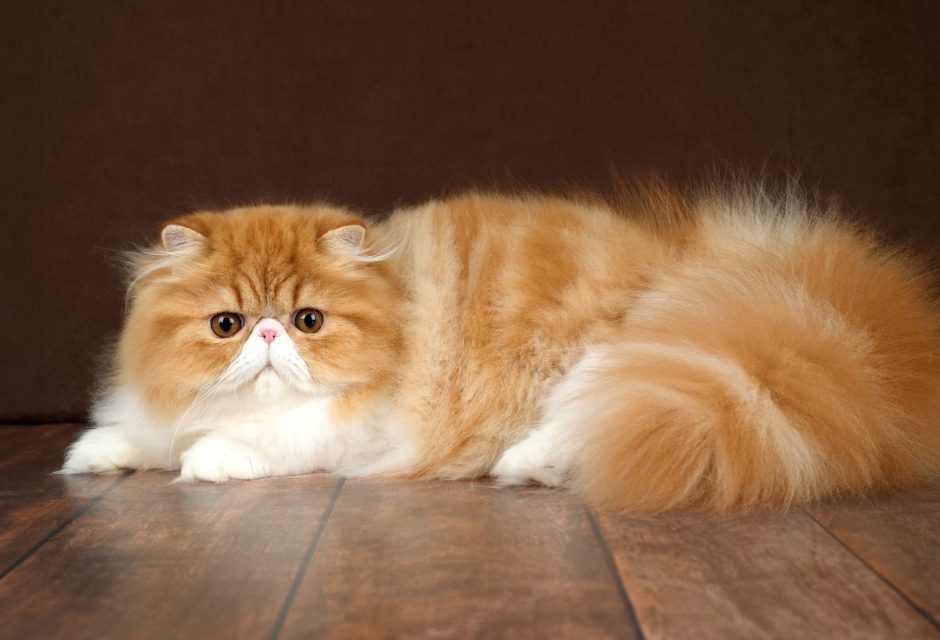
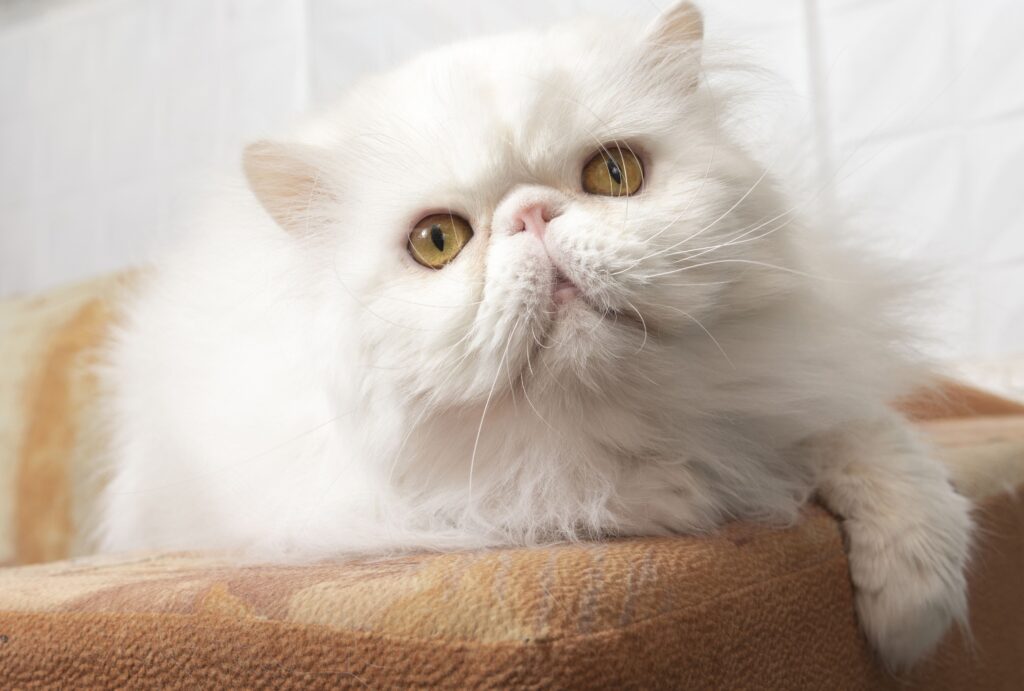
Today’s persian cat is characterized by a rounded body, short legs, a broad head, and a dense, flowing coat. Their distinctive flat face, also known as a brachycephalic structure, sets them apart from most other cat breeds. While this feature adds to their charm, it also influences some aspects of their health and care.
Persian cats come in a wide range of coat colors and patterns, including solid, tabby, bicolor, and colorpoint varieties. Despite these visual differences, their personalities remain largely consistent across the breed.
Persian Cat Personality and Temperament
The personality of a persian cat is best described as calm, affectionate, and quietly observant. Unlike highly energetic or vocal breeds, Persian cats prefer peaceful environments where routines remain predictable.
They tend to form strong bonds with their owners, often choosing one or two people as their primary companions. While they enjoy affection, they are not overly demanding. A persian cat is more likely to sit beside you than climb on your shoulders or chase after constant stimulation.
This breed is known for its gentle behavior around children and other pets, especially when introduced gradually. Persian cats are rarely aggressive and usually retreat rather than react if they feel overwhelmed. Their intelligence is subtle rather than showy, expressed through emotional awareness and attachment rather than problem-solving games.
Daily Life With a Persian Cat
Daily life with a persian cat follows a steady and comfortable rhythm. These cats love routine and quickly adapt to household schedules. Most of their day is spent resting, observing their surroundings, and enjoying quiet interaction.
A typical day includes several naps, short play sessions, meals, and grooming time. Persian cats are not known for excessive activity, but they still enjoy gentle play with feather toys or soft balls. Their play style is relaxed and controlled, matching their overall temperament.
Because of their physical build and coat, persian cats are best suited for indoor living. Indoor environments protect them from extreme temperatures, parasites, and injuries while allowing owners to better manage grooming and health needs. A calm home with soft resting areas and low noise levels is ideal for this breed.
Grooming and Coat Care
One of the most defining responsibilities of owning a persian cat is grooming. Their long, dense coat requires consistent care to prevent matting and skin issues. Daily brushing is not optional but essential.
Using a wide-tooth comb followed by a soft slicker brush helps remove loose hair and prevent knots. Grooming sessions also strengthen the bond between cat and owner, especially when introduced gently from a young age.
Bathing is typically recommended every few weeks, depending on the cat’s coat condition and lifestyle. Persian cats often tolerate baths well if handled calmly and dried properly. Regular eye cleaning is also important, as their facial structure makes them prone to tear staining.
Neglecting grooming can lead to painful mats, skin infections, and digestive problems caused by excessive hair ingestion. For owners with limited time, professional grooming services can be a valuable investment.
Health and Wellness Considerations
The persian cat is generally a long-lived breed, with an average lifespan ranging from 12 to 16 years when properly cared for. However, like all purebred cats, they are predisposed to certain health conditions.
Respiratory issues are common due to their flat facial structure, especially in hot or humid environments. Polycystic kidney disease (PKD) is another concern, making responsible breeding and genetic testing extremely important. Eye conditions, dental problems, and skin sensitivities are also more frequent in Persian cats than in short-haired breeds.
Regular veterinary checkups play a crucial role in early detection and prevention. Annual exams, dental cleanings, and routine vaccinations help maintain long-term health. Nutrition also plays a vital role. A high-quality diet formulated for long-haired or indoor cats supports coat health, digestion, and weight management.
Fresh water should always be available, as Persian cats can be less inclined to drink. Many owners find that water fountains encourage better hydration.
Training and Behavior
Training a persian cat is less about commands and more about creating positive habits. They respond best to gentle guidance and consistency rather than strict discipline.
Litter box training is usually straightforward, as Persian cats are naturally clean animals. A quiet, easily accessible litter area and a clean box encourage consistent use. Because of their long fur, low-dust litter types are often preferred to reduce irritation.
Positive reinforcement, such as treats or soft praise, works well when encouraging good behavior. Persian cats are sensitive to tone and environment, so maintaining a calm approach is essential. Harsh corrections or loud reactions can cause stress and withdrawal.
Creating the Ideal Home Environment
A comfortable home environment greatly enhances the quality of life for a persian cat. Soft bedding, warm resting spots, and easy-to-reach furniture suit their physical build and preference for comfort.
While Persian cats are not avid climbers, they still benefit from light enrichment. Low scratching posts, window perches, and gentle interactive toys provide mental stimulation without overwhelming them.
Temperature control is particularly important. Due to their thick coats and breathing structure, Persian cats can struggle in excessive heat. Well-ventilated spaces and access to cool resting areas help prevent discomfort.
Pros and Cons of Living With a Persian Cat
Living with a persian cat offers many rewards. Their affectionate nature, quiet presence, and adaptability to apartment living make them excellent companions for individuals and families seeking a calm pet.
However, their grooming needs and potential health expenses require commitment. This breed is not ideal for owners who prefer low-maintenance pets or spend extended periods away from home.
Understanding both the advantages and challenges allows potential owners to make informed and responsible decisions.
Is a Persian Cat Right for You
Choosing to live with a persian cat means embracing a lifestyle centered around care, patience, and routine. They thrive with owners who value quiet companionship and are willing to dedicate time to grooming and health monitoring.
If you enjoy calm evenings, consistent schedules, and forming a deep bond with a gentle animal, a persian cat may be a perfect match. However, if you prefer highly active pets or minimal daily maintenance, another breed might be more suitable.
Adopting or Buying a Persian Cat
Whether adopting from a rescue or purchasing from a breeder, choosing the right source is essential. Reputable breeders prioritize health testing, ethical practices, and proper socialization. Avoid sellers who cannot provide medical records or allow you to see the cat’s living conditions.
Adoption is also a meaningful option, as many Persian cats in shelters need loving homes due to grooming demands that previous owners underestimated.
Preparing your home before bringing a persian cat home ensures a smooth transition. Essential supplies include grooming tools, high-quality food, a clean litter setup, and a quiet space for adjustment.
Frequently Asked Questions
Many people wonder whether a persian cat is suitable for first-time owners. With proper preparation and commitment, they can be an excellent choice. Their calm nature makes them easy to live with, but grooming responsibilities should not be underestimated.
Another common concern is shedding. Persian cats do shed, but daily brushing significantly reduces loose hair and keeps the coat healthy.
Persian cats are also known for forming strong emotional bonds. While they can tolerate being alone for short periods, they do best in homes where companionship is part of daily life.
Conclusion
Living with a persian cat is a deeply rewarding experience for those who appreciate elegance, tranquility, and emotional connection. Their gentle personality, combined with their unique care needs, creates a relationship built on trust and routine.
By understanding their personality, health requirements, and daily lifestyle, owners can provide an environment where a persian cat not only lives comfortably but truly thrives. Responsible ownership ensures that this timeless breed continues to be cherished for generations to come.Living With a Persian Cat: Personality, Care, and Daily Life
Living with a persian cat is a unique experience that blends elegance, calm companionship, and a deep sense of routine. Known for their luxurious coats and expressive faces, Persian cats have been cherished for centuries as indoor companions. This breed is not only admired for its appearance but also valued for its gentle temperament and affectionate nature. Understanding what daily life looks like with a persian cat helps potential owners decide if this breed truly fits their lifestyle.
This guide explores the personality, care needs, health considerations, and everyday realities of sharing your home with a persian cat, offering a realistic and well-researched perspective for responsible pet ownership.
Understanding the Persian Cat Breed
The persian cat is one of the oldest and most recognizable cat breeds in the world. Its origins are commonly traced back to ancient Persia (modern-day Iran), where long-haired cats were first admired for their striking appearance. These cats were later introduced to Europe, where selective breeding refined their physical traits and temperament.
Today’s persian cat is characterized by a rounded body, short legs, a broad head, and a dense, flowing coat. Their distinctive flat face, also known as a brachycephalic structure, sets them apart from most other cat breeds. While this feature adds to their charm, it also influences some aspects of their health and care.
Persian cats come in a wide range of coat colors and patterns, including solid, tabby, bicolor, and colorpoint varieties. Despite these visual differences, their personalities remain largely consistent across the breed.
Persian Cat Personality and Temperament
The personality of a persian cat is best described as calm, affectionate, and quietly observant. Unlike highly energetic or vocal breeds, Persian cats prefer peaceful environments where routines remain predictable.
They tend to form strong bonds with their owners, often choosing one or two people as their primary companions. While they enjoy affection, they are not overly demanding. A persian cat is more likely to sit beside you than climb on your shoulders or chase after constant stimulation.
This breed is known for its gentle behavior around children and other pets, especially when introduced gradually. Persian cats are rarely aggressive and usually retreat rather than react if they feel overwhelmed. Their intelligence is subtle rather than showy, expressed through emotional awareness and attachment rather than problem-solving games.
Daily Life With a Persian Cat
Daily life with a persian cat follows a steady and comfortable rhythm. These cats love routine and quickly adapt to household schedules. Most of their day is spent resting, observing their surroundings, and enjoying quiet interaction.
A typical day includes several naps, short play sessions, meals, and grooming time. Persian cats are not known for excessive activity, but they still enjoy gentle play with feather toys or soft balls. Their play style is relaxed and controlled, matching their overall temperament.
Because of their physical build and coat, persian cats are best suited for indoor living. Indoor environments protect them from extreme temperatures, parasites, and injuries while allowing owners to better manage grooming and health needs. A calm home with soft resting areas and low noise levels is ideal for this breed.
Grooming and Coat Care
One of the most defining responsibilities of owning a persian cat is grooming. Their long, dense coat requires consistent care to prevent matting and skin issues. Daily brushing is not optional but essential.
Using a wide-tooth comb followed by a soft slicker brush helps remove loose hair and prevent knots. Grooming sessions also strengthen the bond between cat and owner, especially when introduced gently from a young age.
Bathing is typically recommended every few weeks, depending on the cat’s coat condition and lifestyle. Persian cats often tolerate baths well if handled calmly and dried properly. Regular eye cleaning is also important, as their facial structure makes them prone to tear staining.
Neglecting grooming can lead to painful mats, skin infections, and digestive problems caused by excessive hair ingestion. For owners with limited time, professional grooming services can be a valuable investment.
Health and Wellness Considerations
The persian cat is generally a long-lived breed, with an average lifespan ranging from 12 to 16 years when properly cared for. However, like all purebred cats, they are predisposed to certain health conditions.
Respiratory issues are common due to their flat facial structure, especially in hot or humid environments. Polycystic kidney disease (PKD) is another concern, making responsible breeding and genetic testing extremely important. Eye conditions, dental problems, and skin sensitivities are also more frequent in Persian cats than in short-haired breeds.
Regular veterinary checkups play a crucial role in early detection and prevention. Annual exams, dental cleanings, and routine vaccinations help maintain long-term health. Nutrition also plays a vital role. A high-quality diet formulated for long-haired or indoor cats supports coat health, digestion, and weight management.
Fresh water should always be available, as Persian cats can be less inclined to drink. Many owners find that water fountains encourage better hydration.
Training and Behavior
Training a persian cat is less about commands and more about creating positive habits. They respond best to gentle guidance and consistency rather than strict discipline.
Litter box training is usually straightforward, as Persian cats are naturally clean animals. A quiet, easily accessible litter area and a clean box encourage consistent use. Because of their long fur, low-dust litter types are often preferred to reduce irritation.
Positive reinforcement, such as treats or soft praise, works well when encouraging good behavior. Persian cats are sensitive to tone and environment, so maintaining a calm approach is essential. Harsh corrections or loud reactions can cause stress and withdrawal.
Creating the Ideal Home Environment
A comfortable home environment greatly enhances the quality of life for a persian cat. Soft bedding, warm resting spots, and easy-to-reach furniture suit their physical build and preference for comfort.
While Persian cats are not avid climbers, they still benefit from light enrichment. Low scratching posts, window perches, and gentle interactive toys provide mental stimulation without overwhelming them.
Temperature control is particularly important. Due to their thick coats and breathing structure, Persian cats can struggle in excessive heat. Well-ventilated spaces and access to cool resting areas help prevent discomfort.
Pros and Cons of Living With a Persian Cat
Living with a persian cat offers many rewards. Their affectionate nature, quiet presence, and adaptability to apartment living make them excellent companions for individuals and families seeking a calm pet.
However, their grooming needs and potential health expenses require commitment. This breed is not ideal for owners who prefer low-maintenance pets or spend extended periods away from home.
Understanding both the advantages and challenges allows potential owners to make informed and responsible decisions.
Is a Persian Cat Right for You
Choosing to live with a persian cat means embracing a lifestyle centered around care, patience, and routine. They thrive with owners who value quiet companionship and are willing to dedicate time to grooming and health monitoring.
If you enjoy calm evenings, consistent schedules, and forming a deep bond with a gentle animal, a persian cat may be a perfect match. However, if you prefer highly active pets or minimal daily maintenance, another breed might be more suitable.
Adopting or Buying a Persian Cat
Whether adopting from a rescue or purchasing from a breeder, choosing the right source is essential. Reputable breeders prioritize health testing, ethical practices, and proper socialization. Avoid sellers who cannot provide medical records or allow you to see the cat’s living conditions.
Adoption is also a meaningful option, as many Persian cats in shelters need loving homes due to grooming demands that previous owners underestimated.
Preparing your home before bringing a persian cat home ensures a smooth transition. Essential supplies include grooming tools, high-quality food, a clean litter setup, and a quiet space for adjustment.
Frequently Asked Questions
Many people wonder whether a persian cat is suitable for first-time owners. With proper preparation and commitment, they can be an excellent choice. Their calm nature makes them easy to live with, but grooming responsibilities should not be underestimated.
Another common concern is shedding. Persian cats do shed, but daily brushing significantly reduces loose hair and keeps the coat healthy.
Persian cats are also known for forming strong emotional bonds. While they can tolerate being alone for short periods, they do best in homes where companionship is part of daily life.
Conclusion
Living with a persian cat is a deeply rewarding experience for those who appreciate elegance, tranquility, and emotional connection. Their gentle personality, combined with their unique care needs, creates a relationship built on trust and routine.
By understanding their personality, health requirements, and daily lifestyle, owners can provide an environment where a persian cat not only lives comfortably but truly thrives. Responsible ownership ensures that this timeless breed continues to be cherished for generations to come.Living with a persian cat is a unique experience that blends elegance, calm companionship, and a deep sense of routine. Known for their luxurious coats and expressive faces, Persian cats have been cherished for centuries as indoor companions. This breed is not only admired for its appearance but also valued for its gentle temperament and affectionate nature. Understanding what daily life looks like with a persian cat helps potential owners decide if this breed truly fits their lifestyle.
This guide explores the personality, care needs, health considerations, and everyday realities of sharing your home with a persian cat, offering a realistic and well-researched perspective for responsible pet ownership.
Understanding the Persian Cat Breed
The persian cat is one of the oldest and most recognizable cat breeds in the world. Its origins are commonly traced back to ancient Persia (modern-day Iran), where long-haired cats were first admired for their striking appearance. These cats were later introduced to Europe, where selective breeding refined their physical traits and temperament.
Today’s persian cat is characterized by a rounded body, short legs, a broad head, and a dense, flowing coat. Their distinctive flat face, also known as a brachycephalic structure, sets them apart from most other cat breeds. While this feature adds to their charm, it also influences some aspects of their health and care.
Persian cats come in a wide range of coat colors and patterns, including solid, tabby, bicolor, and colorpoint varieties. Despite these visual differences, their personalities remain largely consistent across the breed.
Persian Cat Personality and Temperament
The personality of a persian cat is best described as calm, affectionate, and quietly observant. Unlike highly energetic or vocal breeds, Persian cats prefer peaceful environments where routines remain predictable.
They tend to form strong bonds with their owners, often choosing one or two people as their primary companions. While they enjoy affection, they are not overly demanding. A persian cat is more likely to sit beside you than climb on your shoulders or chase after constant stimulation.
This breed is known for its gentle behavior around children and other pets, especially when introduced gradually. Persian cats are rarely aggressive and usually retreat rather than react if they feel overwhelmed. Their intelligence is subtle rather than showy, expressed through emotional awareness and attachment rather than problem-solving games.
Daily Life With a Persian Cat
Daily life with a persian cat follows a steady and comfortable rhythm. These cats love routine and quickly adapt to household schedules. Most of their day is spent resting, observing their surroundings, and enjoying quiet interaction.
A typical day includes several naps, short play sessions, meals, and grooming time. Persian cats are not known for excessive activity, but they still enjoy gentle play with feather toys or soft balls. Their play style is relaxed and controlled, matching their overall temperament.
Because of their physical build and coat, persian cats are best suited for indoor living. Indoor environments protect them from extreme temperatures, parasites, and injuries while allowing owners to better manage grooming and health needs. A calm home with soft resting areas and low noise levels is ideal for this breed.
Grooming and Coat Care
One of the most defining responsibilities of owning a persian cat is grooming. Their long, dense coat requires consistent care to prevent matting and skin issues. Daily brushing is not optional but essential.
Using a wide-tooth comb followed by a soft slicker brush helps remove loose hair and prevent knots. Grooming sessions also strengthen the bond between cat and owner, especially when introduced gently from a young age.
Bathing is typically recommended every few weeks, depending on the cat’s coat condition and lifestyle. Persian cats often tolerate baths well if handled calmly and dried properly. Regular eye cleaning is also important, as their facial structure makes them prone to tear staining.
Neglecting grooming can lead to painful mats, skin infections, and digestive problems caused by excessive hair ingestion. For owners with limited time, professional grooming services can be a valuable investment.
Health and Wellness Considerations
The persian cat is generally a long-lived breed, with an average lifespan ranging from 12 to 16 years when properly cared for. However, like all purebred cats, they are predisposed to certain health conditions.
Respiratory issues are common due to their flat facial structure, especially in hot or humid environments. Polycystic kidney disease (PKD) is another concern, making responsible breeding and genetic testing extremely important. Eye conditions, dental problems, and skin sensitivities are also more frequent in Persian cats than in short-haired breeds.
Regular veterinary checkups play a crucial role in early detection and prevention. Annual exams, dental cleanings, and routine vaccinations help maintain long-term health. Nutrition also plays a vital role. A high-quality diet formulated for long-haired or indoor cats supports coat health, digestion, and weight management.
Fresh water should always be available, as Persian cats can be less inclined to drink. Many owners find that water fountains encourage better hydration.
Training and Behavior
Training a persian cat is less about commands and more about creating positive habits. They respond best to gentle guidance and consistency rather than strict discipline.
Litter box training is usually straightforward, as Persian cats are naturally clean animals. A quiet, easily accessible litter area and a clean box encourage consistent use. Because of their long fur, low-dust litter types are often preferred to reduce irritation.
Positive reinforcement, such as treats or soft praise, works well when encouraging good behavior. Persian cats are sensitive to tone and environment, so maintaining a calm approach is essential. Harsh corrections or loud reactions can cause stress and withdrawal.
Creating the Ideal Home Environment
A comfortable home environment greatly enhances the quality of life for a persian cat. Soft bedding, warm resting spots, and easy-to-reach furniture suit their physical build and preference for comfort.
While Persian cats are not avid climbers, they still benefit from light enrichment. Low scratching posts, window perches, and gentle interactive toys provide mental stimulation without overwhelming them.
Temperature control is particularly important. Due to their thick coats and breathing structure, Persian cats can struggle in excessive heat. Well-ventilated spaces and access to cool resting areas help prevent discomfort.
Pros and Cons of Living With a Persian Cat
Living with a persian cat offers many rewards. Their affectionate nature, quiet presence, and adaptability to apartment living make them excellent companions for individuals and families seeking a calm pet.
However, their grooming needs and potential health expenses require commitment. This breed is not ideal for owners who prefer low-maintenance pets or spend extended periods away from home.
Understanding both the advantages and challenges allows potential owners to make informed and responsible decisions.
Is a Persian Cat Right for You
Choosing to live with a persian cat means embracing a lifestyle centered around care, patience, and routine. They thrive with owners who value quiet companionship and are willing to dedicate time to grooming and health monitoring.
If you enjoy calm evenings, consistent schedules, and forming a deep bond with a gentle animal, a persian cat may be a perfect match. However, if you prefer highly active pets or minimal daily maintenance, another breed might be more suitable.
Adopting or Buying a Persian Cat
Whether adopting from a rescue or purchasing from a breeder, choosing the right source is essential. Reputable breeders prioritize health testing, ethical practices, and proper socialization. Avoid sellers who cannot provide medical records or allow you to see the cat’s living conditions.
Adoption is also a meaningful option, as many Persian cats in shelters need loving homes due to grooming demands that previous owners underestimated.
Preparing your home before bringing a persian cat home ensures a smooth transition. Essential supplies include grooming tools, high-quality food, a clean litter setup, and a quiet space for adjustment.
Frequently Asked Questions
Many people wonder whether a persian cat is suitable for first-time owners. With proper preparation and commitment, they can be an excellent choice. Their calm nature makes them easy to live with, but grooming responsibilities should not be underestimated.
Another common concern is shedding. Persian cats do shed, but daily brushing significantly reduces loose hair and keeps the coat healthy.
Persian cats are also known for forming strong emotional bonds. While they can tolerate being alone for short periods, they do best in homes where companionship is part of daily life.
Conclusion
Living with a persian cat is a deeply rewarding experience for those who appreciate elegance, tranquility, and emotional connection. Their gentle personality, combined with their unique care needs, creates a relationship built on trust and routine.
By understanding their personality, health requirements, and daily lifestyle, owners can provide an environment where a persian cat not only lives comfortably but truly thrives. Responsible ownership ensures that this timeless breed continues to be cherished for generations to come.
Frequently Asked Questions (FAQs)
Are Persian cats good indoor pets?
Yes, a persian cat is ideally suited for indoor living. Their calm personality, low activity level, and sensitivity to heat and environmental stress make a safe indoor environment the best choice for their overall health and comfort.
How much daily grooming does a Persian cat need?
A persian cat requires daily brushing to prevent matting and hair knots. Regular grooming also reduces shedding, supports skin health, and helps avoid hairballs, making it an essential part of daily care.
Do Persian cats get along with children and other pets?
Persian cats are generally gentle and tolerant. They do well with calm children and peaceful pets when introductions are gradual and respectful. Loud or highly active environments may cause them to withdraw rather than engage.
What health problems are common in Persian cats?
Common concerns for a persian cat include breathing difficulties, eye discharge, dental issues, and genetic conditions like polycystic kidney disease. Regular veterinary checkups and responsible breeding greatly reduce health risks.
Is a Persian cat suitable for first-time owners?
A persian cat can be a good choice for first-time owners who are prepared for regular grooming and routine care. Their affectionate nature and predictable behavior make them easy to bond with, provided their needs are consistently met.