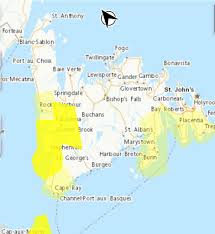
Storm warnings issued for eastern Newfoundland have placed residents on high alert as powerful weather conditions approach the region. Eastern Newfoundland is no stranger to harsh Atlantic storms, but official warnings signal a higher level of risk that requires immediate attention and preparation.
Environment and Climate Change Canada has issued alerts warning of strong winds, heavy rainfall, and dangerous coastal conditions. These storm warnings issued for eastern Newfoundland are being closely followed because similar systems in the past have caused power outages, travel disruptions, and damage to coastal infrastructure.
What the Storm Warnings Mean
Storm warnings issued for eastern Newfoundland indicate that severe weather is either imminent or already occurring. These warnings are based on detailed meteorological data showing a strong low-pressure system moving through the Atlantic region.
Such systems often intensify rapidly, bringing sustained high winds and heavy rain. When combined with Newfoundland’s exposed coastline, the impact can be significant for both coastal and inland communities.
Expected Weather Conditions
Forecasters predict strong wind gusts capable of damaging trees, power lines, and buildings, particularly in exposed areas. Heavy rainfall is also expected, raising concerns about localized flooding and poor road conditions.
Marine forecasts associated with the storm warnings issued for eastern Newfoundland show rough seas and high waves. These conditions pose serious risks for fishing vessels, ferries, and coastal structures.

Why Eastern Newfoundland Faces Higher Risk
Eastern Newfoundland’s geography makes it especially vulnerable to Atlantic storms. Many communities are located along the coast, where strong winds and storm surge can cause erosion and flooding.
Rural and isolated areas may face additional challenges, including limited access routes and slower restoration of services if power outages occur. The timing of storms, often overnight or during busy weekday hours, can further increase risks.
Past Storms Influence Current Caution
Residents’ responses to storm warnings are shaped by past experiences. Previous storms in eastern Newfoundland have left thousands without electricity and caused widespread disruption.
These memories encourage people to prepare early, knowing that conditions can worsen quickly. For many, storm warnings issued for eastern Newfoundland are reminders of the importance of readiness rather than reasons for panic.
How Residents Are Preparing
As warnings take effect, residents secure outdoor items, check emergency supplies, and ensure electronic devices are fully charged. Many households prepare for potential power outages by keeping flashlights, batteries, and backup heating options ready.
Community support is also strong, with neighbors checking on elderly or vulnerable individuals to ensure they are safe and prepared.
Emergency Response and Public Safety
Local authorities and emergency services closely monitor the situation during storm warnings issued for eastern Newfoundland. Municipal crews prepare drainage systems, monitor infrastructure, and remain ready to respond to emergencies.
Officials consistently advise residents to limit travel during severe weather and follow official updates. These measures help reduce accidents and allow emergency services to focus on urgent situations.
Disruptions to Travel and Daily Life
Severe weather often affects transportation across eastern Newfoundland. Strong winds and heavy rain reduce visibility and make driving hazardous. Ferry services and flights may be delayed or canceled due to unsafe conditions.
Businesses connected to fishing, tourism, and outdoor work may temporarily close, prioritizing safety over operations.
Coastal and Marine Safety Concerns
Coastal communities are particularly cautious during storm warnings issued for eastern Newfoundland. High waves and storm surge threaten boats, wharves, and shoreline infrastructure.
Fishers are frequently advised to remain in port, recognizing the dangers of rapidly changing marine conditions during Atlantic storms.
Staying Informed Is Essential
Accurate information is critical during severe weather. Environment and Climate Change Canada remains the primary source for forecasts and warnings, supported by local emergency alerts and radio updates.
Residents are encouraged to rely on official sources and avoid spreading unverified information, especially during rapidly changing conditions.
Looking at the Bigger Picture
Meteorologists note that Atlantic storms have shown increasing intensity in recent years, influenced by changing ocean and atmospheric conditions. While no single storm defines a trend, storm warnings issued for eastern Newfoundland are increasingly viewed within discussions about long-term preparedness and resilience.
Conclusion
Storm warnings issued for eastern Newfoundland are taken seriously because they signal real risks to safety, infrastructure, and daily life. Through preparation, awareness, and strong community support, residents continue to face these challenges with resilience.
By staying informed and following official guidance, eastern Newfoundland remains ready to weather the storm — a reflection of both experience and strength in a region shaped by the Atlantic.
Frequently Asked Questions (FAQs)
1. Why were storm warnings issued for eastern Newfoundland?
Storm warnings were issued due to a strong Atlantic weather system expected to bring high winds, heavy rainfall, and rough coastal conditions. These factors increase risks to public safety, infrastructure, and marine activity.
2. How long will storm warnings issued for eastern Newfoundland remain in effect?
The duration of the warnings depends on how quickly the storm system moves through the region. Environment and Climate Change Canada updates alerts regularly as conditions change.
3. Are power outages likely during this storm?
Power outages are possible, especially in areas exposed to strong winds and heavy rain. Downed trees and damaged power lines are common during severe weather in eastern Newfoundland.
4. What precautions should residents take during storm warnings?
Residents are advised to secure loose outdoor items, avoid unnecessary travel, keep emergency supplies ready, and follow official weather updates closely.
5. How can people stay informed during the storm?
The most reliable information comes from Environment and Climate Change Canada, local emergency alerts, and trusted radio or municipal updates. Staying connected helps residents respond safely as conditions evolve.