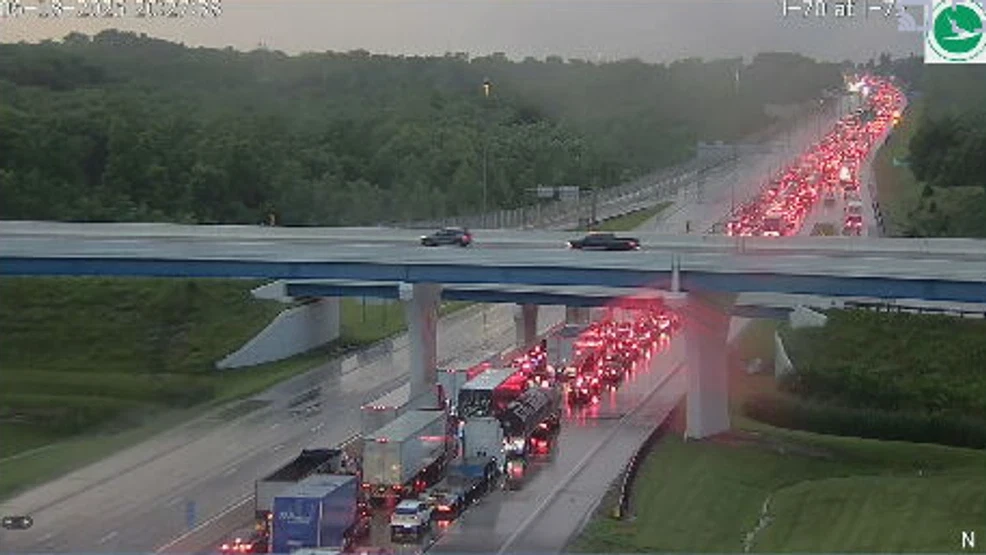
The i-75 power line shutdown recently affected thousands of residents and businesses along the I-75 corridor, disrupting daily life and raising serious concerns about the stability of the regional power grid. Understanding why this shutdown occurred and how authorities manage such incidents is crucial for both public awareness and future preparedness. This article dives deep into the causes of the shutdown, the immediate impacts, and the solutions that can prevent similar situations in the future.
Overview of the I-75 Power Line
The I-75 power line is a critical component of the regional power grid. Stretching across several states, it provides electricity to residential, commercial, and industrial zones along its path. This line carries high-voltage electricity from central power stations to local distribution networks, ensuring communities have a steady supply of energy. Any disruption along this corridor, therefore, has widespread consequences.
Historically, parts of the I-75 power infrastructure have faced challenges due to aging equipment and environmental stressors. While utility companies regularly maintain these lines, unexpected incidents can still lead to sudden shutdowns, such as the one that sparked recent concern.
Immediate Impacts of the Shutdown
The i-75 power line shutdown caused significant short-term disruptions. Residents reported blackouts lasting several hours, affecting homes, schools, and medical facilities. Businesses faced operational interruptions, leading to economic losses, while traffic signals and street lighting were impacted, raising safety concerns on the roads.
In addition, communication networks that rely on electricity experienced temporary outages. Local authorities had to deploy emergency response teams to assist residents, maintain traffic control, and ensure that vulnerable populations, such as hospital patients and the elderly, were not put at risk.
Technical Failures
A primary cause of the i-75 power line shutdown is often technical failure. High-voltage transmission lines are complex systems that depend on transformers, circuit breakers, and monitoring equipment. When any component malfunctions, it can trigger a chain reaction, resulting in a shutdown.
In this case, utility reports indicate that aging equipment played a role. Transformers along certain sections of I-75 were over 30 years old, and while they underwent routine inspections, the extreme demand on the grid exposed vulnerabilities that eventually led to the disruption.
Environmental Factors
Severe weather is another common contributor to power line shutdowns. Storms, lightning strikes, high winds, and even heavy snowfall can physically damage transmission lines. In the recent I-75 incident, reports from the National Weather Service noted strong gusts that likely contributed to line instability.
Flooding or erosion near power line supports can also undermine infrastructure integrity. As climate change intensifies weather events, power grids across the United States, including the I-75 corridor, face increasing environmental pressure.
Human Error
While technical and environmental factors are significant, human error cannot be ignored. Maintenance teams may occasionally make operational mistakes, or construction activities in nearby areas can inadvertently damage power infrastructure. Even small lapses can escalate into large-scale outages like the i-75 power line shutdown.
Utility companies have strict protocols to minimize such errors, including detailed checklists, remote monitoring, and redundancy systems, but no system is entirely immune.
Cybersecurity and External Threats
Modern power grids are increasingly connected, making them vulnerable to cyberattacks. While there is no confirmed evidence that hacking caused the recent I-75 outage, cybersecurity experts emphasize the growing risk. Unauthorized access to control systems could theoretically disrupt operations, highlighting the need for continuous monitoring, secure software, and employee training in digital safety.
Authority Response and Management
When the i-75 power line shutdown occurred, local authorities and utility companies acted swiftly. Emergency protocols include rerouting power through alternate lines, mobilizing repair crews, and notifying residents of potential outages. Communication is a vital part of the response, with regular updates provided through social media, local news channels, and emergency alert systems.
Temporary fixes, such as installing portable generators or rerouting high-voltage lines, help restore power while long-term repairs are underway. Coordination between utility companies, first responders, and municipal authorities is crucial to minimize disruption and maintain public safety.
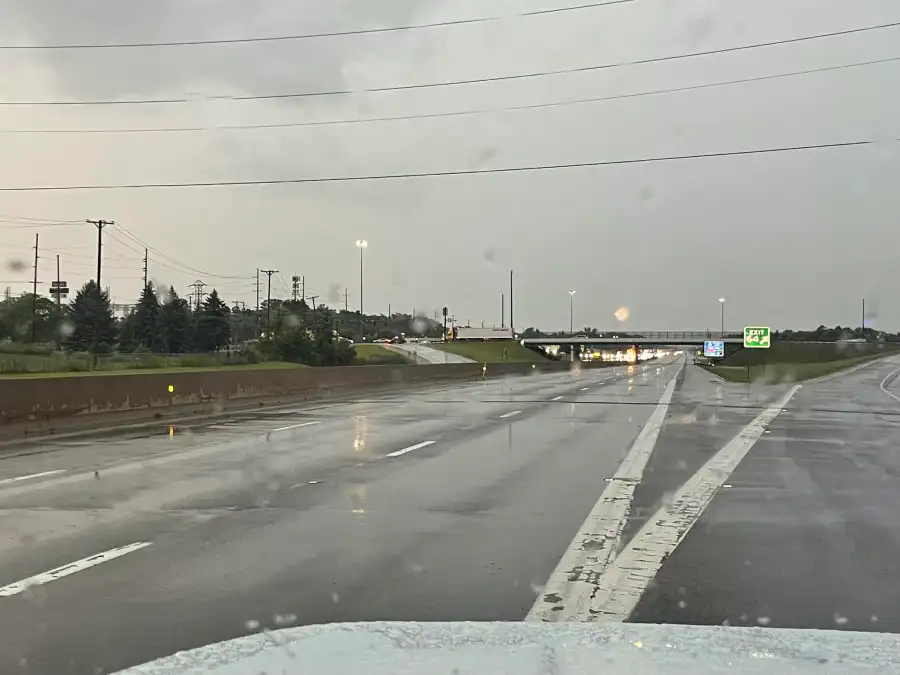
Long-Term Solutions and Preventive Measures
Preventing future incidents like the i-75 power line shutdown requires a multi-pronged approach:
Infrastructure Upgrades: Aging equipment must be replaced with modern, high-capacity transformers, circuit breakers, and transmission lines. Smart grid technologies allow for real-time monitoring and quicker response to anomalies.
Routine Maintenance: Regular inspections, predictive maintenance, and immediate repair of vulnerable components reduce the likelihood of failure. Advanced sensors can detect issues before they escalate.
Community Preparedness: Educating residents about emergency procedures, equipping them with backup power solutions, and encouraging disaster-ready plans can mitigate the impact of outages.
Policy and Regulation: Government agencies can incentivize utilities to invest in grid resilience, ensure strict safety standards, and facilitate regional cooperation for emergency power support.
Lessons from the I-75 Shutdown
The recent i-75 power line shutdown serves as a reminder of the interconnected nature of modern infrastructure. Key takeaways include the importance of proactive maintenance, investment in modern technologies, and public awareness programs. Other regions with similar grid structures can learn from this incident to prevent comparable disruptions.
The shutdown also highlighted the human aspect: residents’ resilience, emergency response efficiency, and the need for clear communication channels during crises. Building a reliable power grid is not just about technology—it is about people and preparation.
Conclusion
The i-75 power line shutdown illustrates the complexity and fragility of power infrastructure. While technical failures, environmental factors, and human error can all trigger outages, coordinated responses and forward-looking solutions can minimize their impact. Investing in smart grids, upgrading aging equipment, and fostering community preparedness are critical steps toward a more reliable energy system.
Understanding these challenges helps residents and policymakers alike to appreciate the delicate balance required to maintain uninterrupted power. With lessons learned from I-75, future shutdowns can be managed more efficiently, reducing both disruption and risk.
FAQs
Why did the I-75 power line shut down?
The shutdown was caused by a combination of technical issues, environmental stress, and aging equipment along the transmission line.
How long do outages usually last?
Outages from major transmission line failures can last from several hours to a full day, depending on damage severity and weather conditions.
What measures are being taken to prevent future shutdowns?
Authorities are upgrading infrastructure, implementing smart grid technology, and improving maintenance and monitoring protocols.
How can residents prepare for power outages?
Keeping emergency kits, backup generators, and staying informed through local alerts are practical steps for residents.
Are such shutdowns insured or compensated?
Some businesses and homeowners may have insurance covering losses from power outages, but policies vary by provider and region.