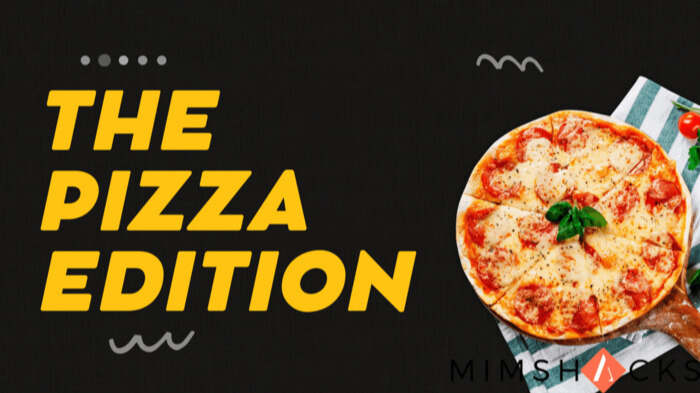
Learning math in early childhood often depends on finding the right balance between clarity, engagement, and emotional comfort. One approach that consistently resonates with young learners is The Pizza Addition, a simple yet effective way to teach addition using the familiar image of a pizza. While the concept may look playful on the surface, its impact on cognitive development, number sense, and learning motivation is well‑documented across classrooms and early‑learning environments.
Below is a deeply researched, human‑written exploration of why this method works so well and how teachers and parents can make the most of it.
What Is The Pizza Addition?
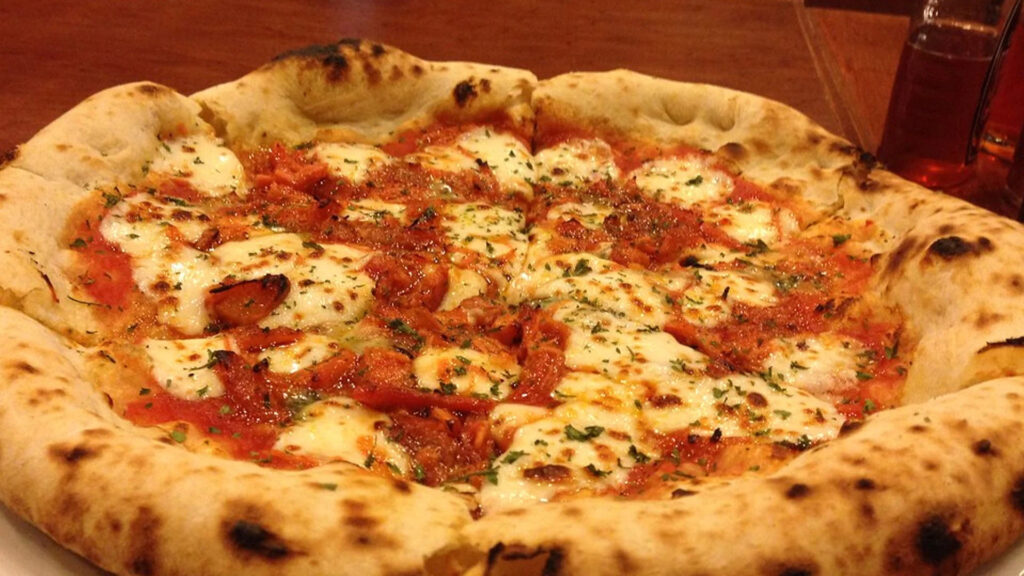
The Pizza Addition is a visual and hands‑on method of teaching children how numbers combine to make new totals. Instead of using plain numbers or abstract symbols, children work with pizza slices, toppings, or whole pizzas to understand how parts come together. The format varies—sometimes it involves drawing slices, other times using paper cutouts, felt boards, or printable templates. Some teachers even incorporate real mini pizzas for tactile learning sessions.
This approach works because young learners naturally gravitate toward concrete representations. According to research in early childhood mathematics education from the National Council of Teachers of Mathematics (NCTM), children build stronger number sense when working with manipulatives that help them visualize relationships. Pizza slices fit this purpose perfectly: they’re circular, divisible, and easy to imagine in different quantities. Kids not only see addition happening—they feel it.
Why Kids Are Drawn to It
There is a strong psychological component behind the success of The Pizza Addition. Children learn best when they are emotionally connected to the material, and food‑related learning creates a comforting, familiar context. Pizza, in particular, is universally recognized and associated with enjoyment, family time, and celebration.
Small children are still forming connections between ideas and real‑world experiences. When you ask a child to imagine adding two mushrooms to a pizza or combining slices to make a whole, you activate parts of the brain associated with sensory memory: taste, sight, and emotion. This makes the learning stick.
Another reason children love this method is that it removes the pressure commonly associated with math. Traditional worksheets can feel intimidating, especially for those who struggle with numbers. The Pizza Addition reframes math as play. When a child thinks they are “building a pizza” instead of “solving a math problem,” anxiety decreases and curiosity increases.
This aligns with findings from the American Psychological Association, which highlight how playful learning reduces performance pressure and boosts cognitive engagement. The Pizza Addition thrives on this principle.
The Learning Benefits
The Pizza Addition is far more than a charming teaching trick. Its benefits reach into core areas of early mathematical development.
First, it supports number sense, which is the foundation for everything that follows in elementary math. Children learn to see numbers as groups and relationships, not just symbols. When they place three slices on a plate and add two more, they physically see the total become five. This concrete representation helps them understand addition as a process, not a memorized answer.
Second, it strengthens the part‑whole relationship, a concept heavily emphasized in early learning frameworks around the world. Being able to break numbers into pieces or combine them is essential for later understanding of fractions, measurement, and problem‑solving.
Third, the method boosts visual learning, which benefits a majority of young children. Visual learners often struggle with abstract numbers, and The Pizza Addition gives them something tangible to connect with.
Fourth, it enhances memory retention. Children remember things when they are tied to emotions, color, creativity, and physical interaction. Pizza checks every one of these boxes.
Finally, the method improves confidence. Children who may shy away from numbers begin to see math as something they can understand. Success in small tasks—like adding toppings—creates a positive learning loop.
How The Pizza Addition Turns Math into a Gam
The Pizza Addition doesn’t feel like schoolwork. It feels like a game, and this is one of its greatest strengths.
When children choose their own toppings or arrange slices to complete a pizza, they are participating actively, not passively. This sense of ownership enhances motivation. The flexibility of the method allows children to make creative choices while still learning math skills. A child who loves pepperoni might add five slices and then “order” more. Another child who prefers vegetables may experiment with colors and patterns, strengthening both math and visual recognition.
Game‑based learning is widely supported by education researchers. Studies from the Harvard Graduate School of Education show that when learning feels like play, children engage more deeply and stay focused longer. The Pizza Addition taps directly into this pattern. It encourages fine motor skills, decision‑making, and imagination alongside math practice.
Teachers can even turn it into short collaborative activities, such as “build a pizza with your partner,” which fosters teamwork and communication.
Where The Pizza Addition Works Best
One of the remarkable things about The Pizza Addition is its versatility across learning environments.
In elementary classrooms, it can serve as a station activity, a whole‑group exercise, or a quick warm‑up before more complex lessons. Teachers often find that children who struggle with worksheets shine during pizza‑based learning, giving them a new way to assess understanding.
In homeschooling settings, the method becomes even more flexible. Parents can create personalized games or tie math into mealtimes. A simple family pizza night turns into an unexpected math lesson when kids count toppings or divide slices.
Tutors and learning centers benefit from the method because it breaks the monotony of repetitive drills. Children engaged in one‑on‑one sessions often feel the pressure to “perform,” and pizza‑based learning softens this tension.
Even at home during playtime, parents can incorporate the concept using toy food sets or printable pizza cutouts. The casual, low‑pressure environment helps children absorb math ideas naturally.
Tips for Parents and Teachers
To make The Pizza Addition as effective as possible, a few practical strategies can guide its use.
Start small. Young learners progress best when beginning with simple combinations like adding one or two toppings at a time. As confidence grows, increase the complexity.
Use physical objects whenever possible. Real manipulatives—paper slices, felt pieces, or toy food—give children a tactile learning experience that deepens understanding.
Encourage verbal explanations. When a child explains how they combined toppings, they are reinforcing logical thinking and building vocabulary for mathematical reasoning.
Celebrate attempts, not just correct answers. The goal is to help children explore numbers freely, without fear of making mistakes.
Rotate variations. Sometimes use slices, sometimes toppings, and occasionally whole pizzas. Variety keeps lessons fresh and strengthens flexible thinking.
For digital learners, printable templates or tablet-based versions can be helpful, as long as the experience still feels interactive rather than passive.
Examples To Try
Practical examples bring the method to life. Here are a few simple and enjoyable pizza‑based prompts that children respond to well:
• “If you add 2 pepperoni slices to 3, how many do you have now?”
• “Build a veggie pizza with a total of 6 toppings. You can choose the vegetables.”
• “You have 5 slices on the table. If you eat 1 slice, how many remain?”
• “Double the toppings on the left half of the pizza.”
• “Make a pizza with 10 ingredients, but you must use at least three types.”
• “Start with 4 slices and add slices until the pizza is complete.”
• “Add toppings until your pizza looks balanced on both sides.”
These examples help children engage not only with numbers, but also with symmetry, creativity, and early problem‑solving.
Why This Method Works Better Than Traditional Worksheets
While worksheets have their place, The Pizza Addition offers advantages that are hard to replicate on paper alone.
The sensory engagement is significantly stronger. Children often learn best when they can see, touch, and manipulate objects rather than simply writing answers. The physical act of placing a topping or a slice strengthens neural pathways in ways pencil‑and‑paper exercises cannot.
There is also an emotional connection. Worksheets rarely evoke excitement, but pizza carries positive associations. When children feel happy and relaxed, the brain becomes more receptive to absorbing new information.
Additionally, repetition becomes enjoyable instead of tedious. A child may tire quickly of writing number sentences, but they rarely get bored of assembling pizza slices in new ways. This encourages greater practice time and deeper learning.
Perhaps most importantly, The Pizza Addition builds a genuine understanding of how numbers work. Instead of memorizing facts, children internalize relationships, leading to stronger math foundations in the long term.
Conclusion
The Pizza Addition succeeds because it brings together comfort, creativity, sensory learning, and emotional engagement—all crucial factors in early childhood education. It transforms math from something abstract into something children can see, touch, and enjoy. Whether in classrooms, at home, or in small learning environments, the method helps children build confidence and curiosity while developing essential number skills.
What makes this approach truly powerful is its human element. Children connect with pizza in a way that feels personal and joyful, making math more than just another subject. It becomes an experience. Parents and teachers looking for an approach that is both effective and enjoyable will find that The Pizza Addition offers a way to teach numbers that stays with children long after the activity ends.
you may also read;A Simple Guide to Better HSSGamepad Connectivity
FAQs;
1. What is The Pizza Addition?
It’s a simple teaching method that uses pizza slices and toppings to help kids understand basic addition in a fun, visual way.
2. Why does this method work so well for children?
Kids naturally connect with food‑based visuals, and the playful approach makes numbers easier to grasp and less intimidating.
3. Can parents use The Pizza Addition at home?
Yes, parents can use paper cutouts, drawings, or real pizza slices to create quick and engaging addition activities.
4. Does this method help beyond simple addition?
Absolutely. It builds number sense, encourages problem‑solving, and lays the groundwork for understanding subtraction and early multiplication.
5. What age group benefits most from The Pizza Addition?
It’s ideal for preschool to early elementary learners who are just starting to explore numbers and simple math concepts.