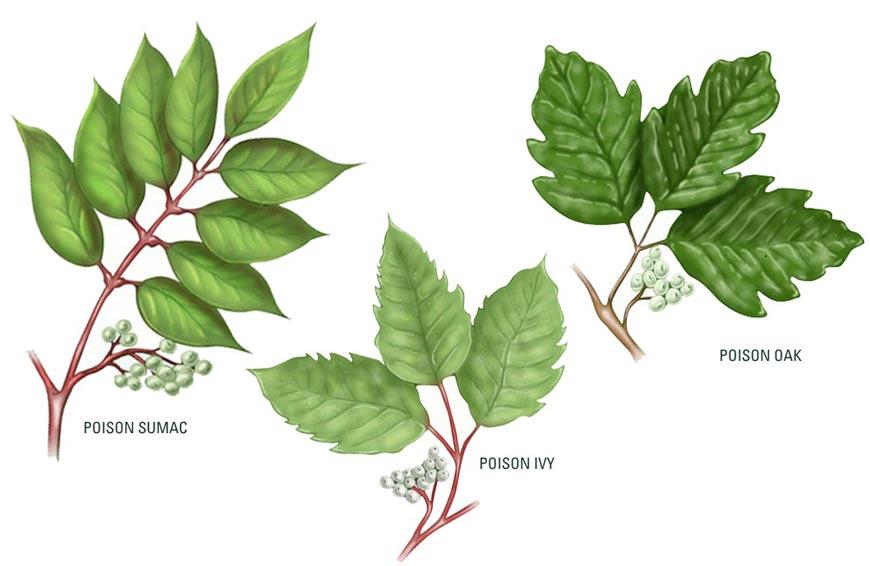
When people ask what does poison ivy look like, they’re usually worried about one thing—avoiding the painful rash that often follows direct or indirect contact with this plant. Poison ivy is common, deceptive, and often difficult to identify, especially for those who haven’t seen its many seasonal forms. Its appearance can shift dramatically from early spring to late winter, and that’s why clear visual understanding is essential. Whether you’re a hiker, gardener, homeowner, or someone who simply wants to protect your family, being able to recognize poison ivy at a glance can prevent a great deal of discomfort.
Understanding its features is more than just memorizing the famous rule, “Leaves of three, let it be.” Poison ivy’s patterns, textures, and growth habits offer many clues—clues that become far more reliable when explained with practical detail. This guide is meant to give you a realistic, human-centered explanation of how poison ivy truly looks in everyday environments, using research from trusted botanical and environmental sources such as the U.S. Forest Service, Centers for Disease Control and Prevention (CDC), and various university extension programs.
What Poison Ivy Really Is
Before learning what does poison ivy look like, it helps to understand what it actually is. Poison ivy (Toxicodendron radicans) is a toxic plant native to North America, and it contains a sap called urushiol. This oil is the reason people get severe itching, swelling, or blistering after exposure. Even brushing lightly against the leaves or touching contaminated clothes, tools, or pet fur can trigger the reaction.
The plant grows almost everywhere—forests, riverbanks, abandoned lots, backyards, parks, and roadside areas. It thrives in both sunny and shady locations, which explains why so many people unknowingly encounter it while doing normal outdoor activities. Because poison ivy grows aggressively and adapts to different soil conditions, it takes many forms, and that’s where the challenge lies.
The Classic Feature: Leaves of Three
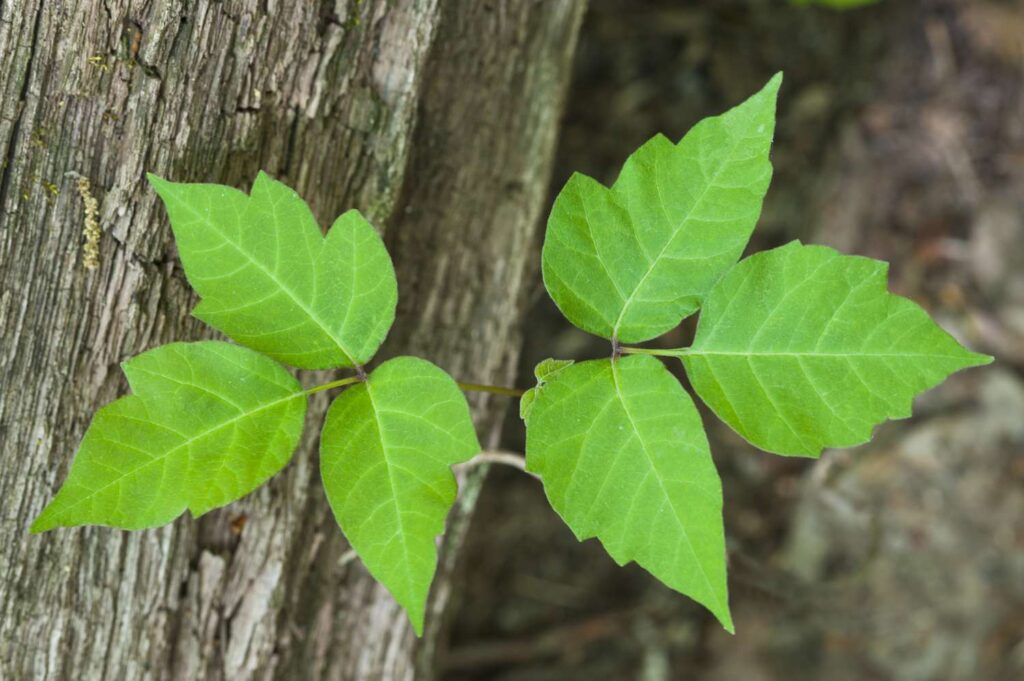
When people wonder what does poison ivy look like, this is the feature they hear about most. Poison ivy nearly always grows in clusters of three leaflets attached to a single stem. The side leaflets often extend outward, while the center one sits slightly forward at the tip. Each leaflet may appear smooth-edged, slightly toothed, or subtly lobed, which often confuses beginners.
One of the easiest ways to identify this plant is by studying the shape of these leaves. They usually have pointed tips, and their surfaces may be shiny or matte depending on age, weather, and season. The three-leaf pattern is reliable, but the leaf edges can vary so much that many people mistake poison ivy for harmless plants.
How Poison Ivy Changes Through the Seasons
What makes identification tricky is that the plant’s appearance shifts dramatically throughout the year. Someone learning what does poison ivy look like must pay attention to its seasonal transformations, because these clues can make all the difference.
Spring
In spring, poison ivy produces fresh, tender leaves that often appear reddish at first. These young leaves can look glossy and soft, with a bright sheen that catches sunlight more than older leaves do. New growth tends to form quickly, and this is the time when the plant’s color is most misleading, because people don’t expect red leaves on poison ivy. The stems may also show hints of red during early growth.
Spring leaves are typically smaller, smoother, and more delicate, and this is when most hikers misidentify the plant as something harmless. But the “three-leaf” structure is already present.
Summer
By summer, poison ivy looks fuller, greener, and more established. The leaves turn a rich green, sometimes with a slight shine. The plant spreads rapidly during warm months and often grows thicker around trails, fences, and wooded areas. When people describe what does poison ivy look like in summer, the answer usually includes terms like dense, leafy, and vibrant, because this is when it reaches its peak growth.
Summer is also the season when poison ivy starts producing small, whitish berries. These berries later become a significant identification clue during fall and winter.
Fall
In fall, poison ivy becomes much easier to identify because its leaves shift into brilliant shades of yellow, orange, or deep red. Many people unaware of what does poison ivy look like in fall may mistake it for colorful foliage. However, this is one of the most visually striking periods for the plant. The leaves may appear curled or slightly droopy as the cold season approaches.
Even in this colorful state, the plant retains urushiol, and the risk of rash remains high—even from dead leaves.
Winter
Many people believe poison ivy disappears in winter, but only the leaves fall. The vine remains intact, and so does the toxic sap. The most important winter clue is the vine’s appearance: it becomes woody and develops a texture often described as “hairy” or “fuzzy.” These hair-like rootlets help the vine cling to trees and structures. If you see a hairy vine climbing up a trunk, it’s best not to touch it.
This winter vine is one of the top signs botanists mention when explaining what does poison ivy look like year-round.
Different Ways Poison Ivy Grows
One of the most confusing things about poison ivy is that it doesn’t stick to one form. It adapts to space, light, and surrounding vegetation. Learning these growth styles is essential for accurately recognizing what does poison ivy look like in real-life environments.
As a Ground Plant
Poison ivy often spreads along the ground in vine-like ribbons or in low clusters. This form is extremely common in forests, backyards, and trail edges. The plant may look like a small carpet of three-leaf clusters. People are more likely to step on it than see it at eye level.
As a Climbing Vine
When growing upward, poison ivy attaches itself to trees, fences, walls, and poles. The “hairy” vine is one of its most reliable identifiers. It may climb many feet high, and the vine usually appears thick, woody, and firmly anchored by bristle-like roots.
As a Small Shrub
In open fields or places without vertical support, poison ivy can take on a bush-like form. This small shrub shape can confuse people, because they don’t expect poison ivy to grow upright. However, the characteristic three-leaf clusters still make it recognizable once you know what to look for.
Distinct Features That Help You Identify It
If you ask experts what does poison ivy look like, they often focus on specific physical clues that remain reliable across seasons and regions.
• Leaf edges: Sometimes smooth, sometimes slightly jagged
• Leaf texture: Can be shiny or dull, depending on age
• Leaf size: Often 2–5 inches long but varies
• Stems: Flexible when young, woody when older
• Berries: Small, white, and waxy (a major clue in fall and winter)
• Vine texture: Hairy, fuzzy, or rope-like
Not every plant with three leaves is poison ivy, but these details help separate it from look-alikes.
Common Look-Alike Plants
People often mistake poison ivy for other plants because similarities in leaf shape or arrangement can be confusing. Understanding what does poison ivy look like becomes easier when you also know what it does not look like.
Poison Oak: Usually has rounded leaves resembling oak trees, often hairy
Poison Sumac: Grows as a tall shrub with 7–13 leaflets on each stem
Virginia Creeper: Easily identified by its five-leaf clusters
Boxelder Seedlings: May form three leaves but have opposite branching patterns
These differences might seem small, but they matter greatly when identifying potentially harmful plants.
How the Rash Appears (Briefly Explained)
When urushiol touches the skin, it causes inflammation that may appear hours or days later. Symptoms include redness, itchiness, swelling, and blistering. Although uncomfortable, most cases resolve with basic care. If exposure is severe or if swelling spreads, medical attention is important.
How to Avoid Poison Ivy Outdoors
Learning what does poison ivy look like is your first defense. The second is practicing awareness. Wearing long sleeves and pants, keeping pets brushed after walks, and staying on marked trails can all reduce risk. At home, inspect property edges, fence lines, and shaded corners where the plant thrives naturally.
What to Do if You Touch It
If you think you’ve touched poison ivy, wash the area promptly with soap and water. Urushiol binds quickly to the skin, so cleaning within the first 10–20 minutes is ideal. Washing clothes, tools, and shoes also prevents secondhand exposure.
Safe Removal Tips
Removing poison ivy should be done carefully. Avoid burning it, as inhaling smoke from burning poison ivy can be extremely dangerous. Wearing gloves, long sleeves, and protective eyewear is essential. Some homeowners prefer hiring professionals, especially when dealing with climbing vines.
Final Key Points to Remember
Knowing what does poison ivy look like is truly about noticing patterns: three leaflets, changing seasonal colors, hairy vines, and white berries. Once these features become familiar, identification becomes far less intimidating. The more you observe plants in natural settings, the easier it becomes to recognize the subtle clues poison ivy leaves everywhere it grows.
FAQs
1. What is the fastest way to identify poison ivy?
Look for three leaflets with a central leaf that sits slightly forward. This pattern holds true year-round.
2. Does poison ivy always have shiny leaves?
No. Young leaves can be shiny, but mature leaves are often matte.
3. Can pets carry poison ivy oil?
Yes. Urushiol can stick to pet fur and transfer to human skin.
4. Does poison ivy stay toxic after it dies?
Absolutely. Urushiol remains active on dead leaves, vines, and roots for years.
5. Can poison ivy grow in backyards?
Yes. It commonly grows along fence lines, sheds, wood piles, and shaded garden edges.